


Editor's note: this story first appeared in the June 2026 issue of Chess Life magazine. This issue focuses on questions of mental health in chess.
Today, enjoy an article by Assistant Editor Rick Massimo and Editor John Hartmann on Nate Shuman's Mindmates program. Come back Thursday for the final instalment, and check out the first instalment here.
Consider becoming a US Chess member for more content like this — access to digital editions of both Chess Life and Chess Life Kids is a member benefit, and you can receive print editions of both magazines for a small add-on fee.
Passing It On
A former youth champion is teaching young players what he learned about staying in love with the game.
Nate Shuman started playing chess at the Dalton School, in New York, and soon he was on a track familiar to any observer of scholastic chess: trips to national and world championships, a speedy climb of the rating ladder. By age 8, he was nearly a master.
At age 13, he was still nearly a master. Not only had his play plateaued, but his attitude toward the game had changed. The “performance stress” cut into his enjoyment of the game, and so did his tendency to fade in the late rounds of the big tournaments.
Working with a sports psychologist changed everything, Shuman says. “I just got immersed in the world of biofeedback, mindfulness meditation, breathing, and it changed my life.”
He made it to national master, but more importantly his enjoyment of the game came back. “A big part of my journey was finding and loving and chess again, and just being joyful and going into these weekends … to just go and enjoy chess.”
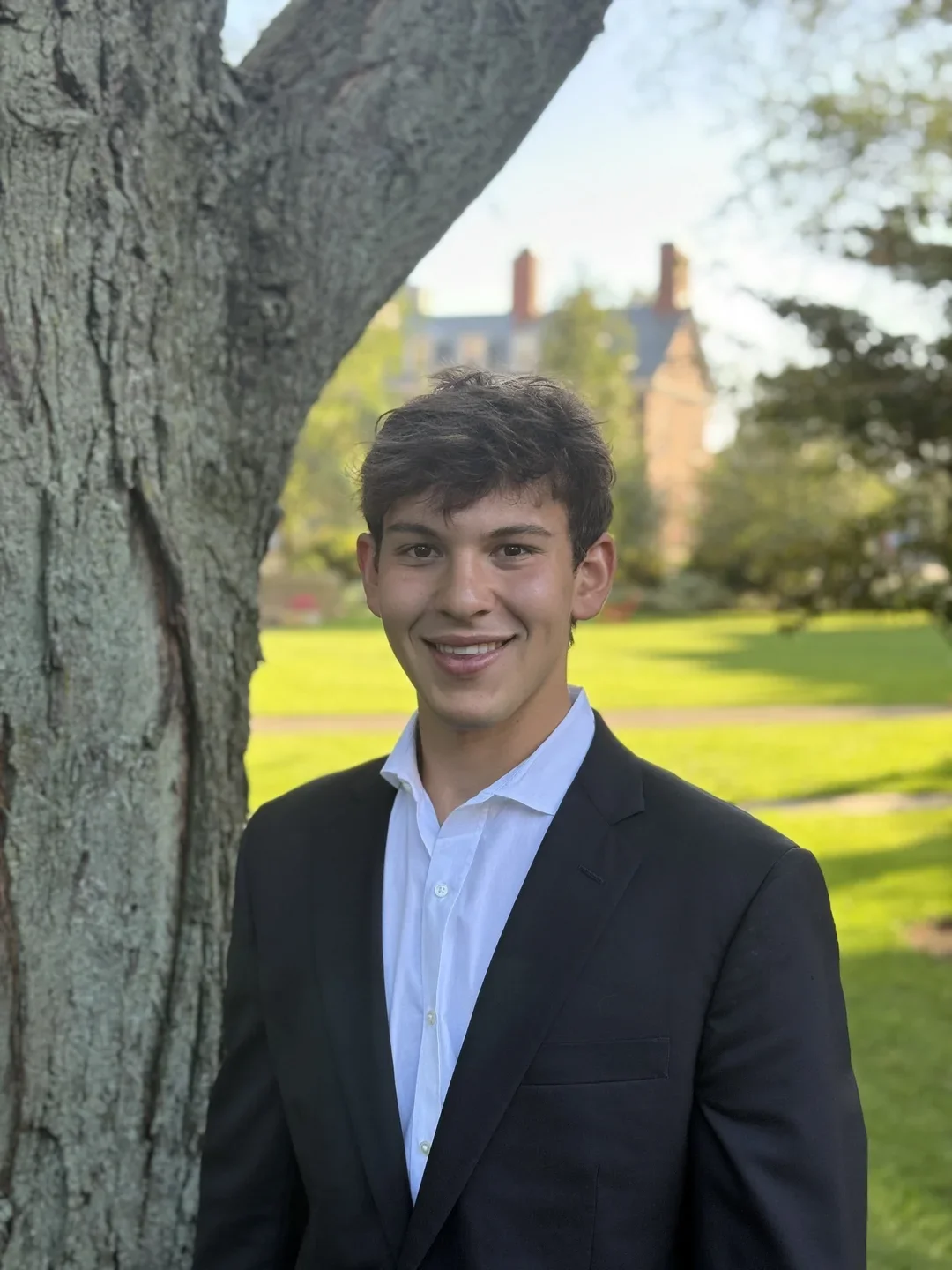
Shuman is a sophomore at Harvard now, and even before he left high school he founded Mindmates, an organization that teaches the same kind of mindfulness and psychological tools Shuman learned to young chessplayers and athletes in other sports.
“You see a lot of professional athletes doing this work,” Shuman says, “and I really saw a gap there, and my work really was there to spread the word and spread what worked so well for me with other youth.”
Shuman is preparing a Mindmates-related scorebook with visualizations and exercises for before, during, and after a game or tournament, and he says it’s work that needs doing: He’s encountered 6-year-olds who were already anxious about winning and losing.
He says he frequently works with kids on separating the consequences of losing from the playing of the game. “I heard a lot of kids be, like, ‘I would really worry about the consequences of losing, if my parents would get upset, or if I would let my team down or coach down,’ and that would kind of their mind would wander there during the games, rather than actually the game at hand.”
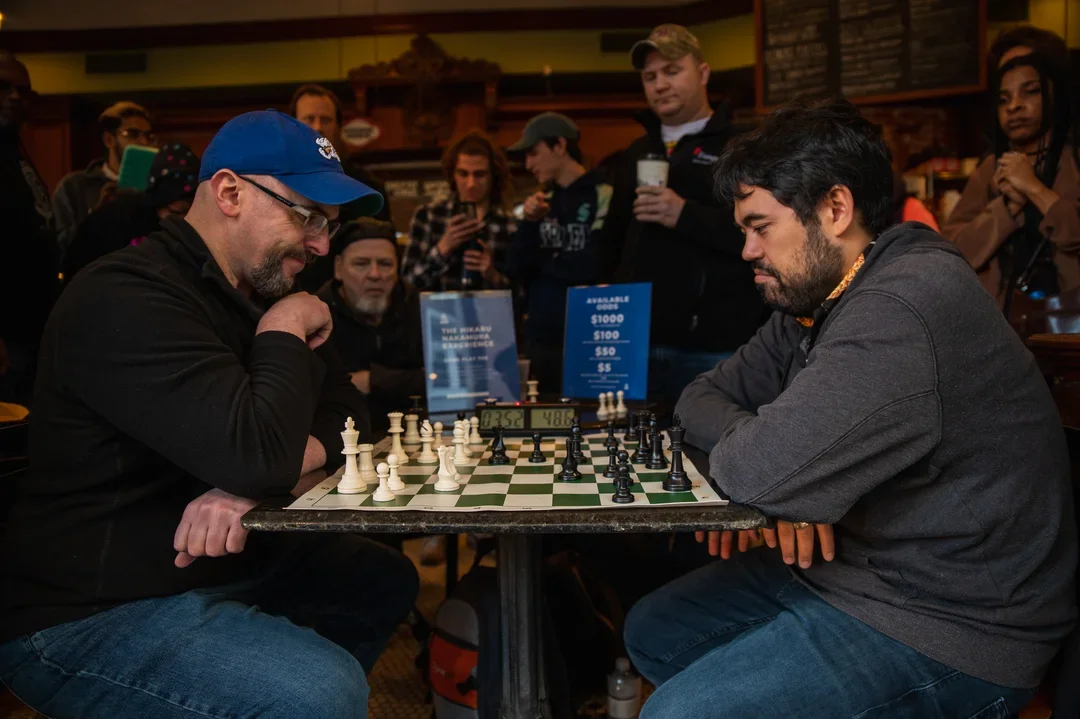
Some of the exercises Shuman recommends in his notation book should be done before or after a game or tournament: Reminding yourself what your goal is, why you want it, and what smaller goals will help you along the way. Some are done afterward: Monitoring your feelings, listing what you’re proud of from the game. But a few of his techniques can be accomplished at the board:
- Diaphragmatic Breathing: Instead of breathing through your chest, where your lungs are, “think of your belly like a balloon,” Shuman writes. Inhale through your nose while sending air down to your belly, then push the air out while exhaling through your mouth “with pursed lips.”
- Palming: Rest your palms on your closed eyelids with a little bit of pressure for one minute. “Try to watch the backs of your eyelids while being aware of your breath.”
- Box Breathing: Shuman describes this as breathing “mindfully” — inhale for four seconds; hold for four seconds; exhale for four seconds; hold for four seconds.
Shuman also found that eating well before a tournament helped him physically, and that also had emotional benefits. Keeping to a pregame routine — he would throw a football with his dad, sometimes even if it meant showing up at the board a few minutes late — also helped with decision-making and with calming his mind.
The 15-30 minutes leading up to the first move is one of the most stressful times for a chessplayer. Nervousness calms down a lot once the moves begin. I advocate taking a page from golf and developing a “pre-shot routine.”
About 30 minutes before each game, I would study openings. Even if they didn’t come up, it made me feel more prepared. This is more about having the body and mind feel like they’re ready for what’s about to take place. Then about 15 minutes before the game, I would close my eyes for five minutes.
Finally, I would take a quick walk in the remaining time. The truth is, it doesn’t matter too much what routine you pick. The trick is to normalize the situation and get your body used to the stress. Essentially, you trick your brain into thinking this next chess game, or this next downhill five-foot putt to win the match, is totally normal. Which it isn’t, but nobody chooses chess or golf seeking equanimity.
— FM Mike Klein
How It Works
Shuman says calming the mind with mindfulness meditation can include positive visualization, which can improve mindset going into a game or tournament. In a paper he’s co-authored with professor Andrew Newburg, he’s found that mindfulness can help in “quieting down the amygdala, which, by quieting down, doesn’t allow it to kind of react and impair the decision-making parts of the brain.”
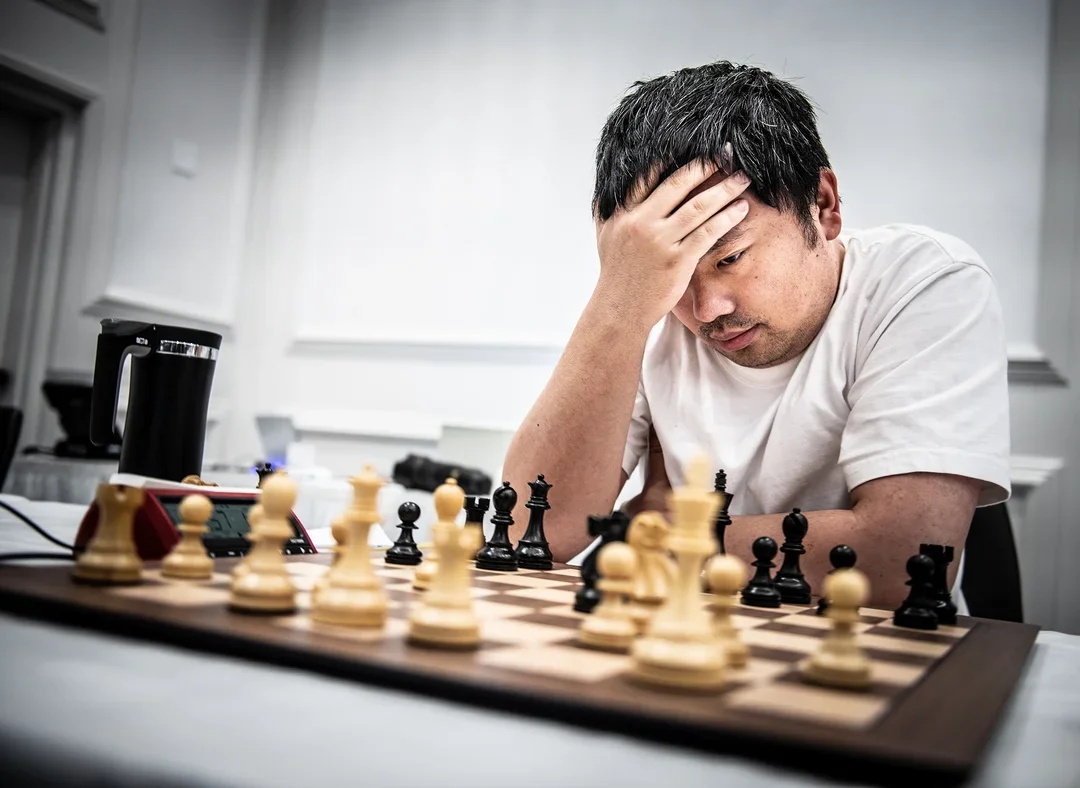
It’s difficult to have positive visualizations of victory without negative visualizations of defeat, Shuman acknowledges. “That’s why this is not easy. … There’s a lot to say for envisioning the worst, or preparing for the worst, and seeing how that makes you feel,” Shuman says. “But when it comes game time, being able to quiet those thoughts is important. … It’s easier said than done. It also takes a lot of practice, especially if you’re struggling with performance anxiety. … It’s just like going to the gym, right? As we train our brains, they grow, and that only comes from consistent practice.”
In the end — and this is at the bottom of the later pages of Shuman’s scorebook — the key is to repeat to yourself, “No matter what happens, I love and approve of myself completely.” Acknowledging that “defeat is certainly possible” was reassuring to him, and can give players the resiliency they need to deal with the ups and downs of chess while the game is still going, and afterward.


Categories
Archives
- October 2026 (25)
- September 2026 (26)
- August 2026 (28)
- July 2026 (36)
- June 2026 (32)
- May 2026 (30)
- April 2026 (33)
- March 2026 (27)
- February 2026 (24)
- January 2026 (24)
- December 2025 (27)
- November 2025 (29)
- October 2025 (39)
- September 2025 (27)
- August 2025 (29)
- July 2025 (43)
- June 2025 (25)
- May 2025 (24)
- April 2025 (29)
- March 2025 (29)
- February 2025 (20)
- January 2025 (24)
- December 2024 (34)
- November 2024 (18)
- October 2024 (35)
- September 2024 (23)
- August 2024 (27)
- July 2024 (44)
- June 2024 (27)
- May 2024 (31)
- April 2024 (51)
- March 2024 (34)
- February 2024 (24)
- January 2024 (26)
- December 2023 (29)
- November 2023 (26)
- October 2023 (37)
- September 2023 (27)
- August 2023 (37)
- July 2023 (47)
- June 2023 (33)
- May 2023 (37)
- April 2023 (45)
- March 2023 (37)
- February 2023 (28)
- January 2023 (31)
- December 2022 (23)
- November 2022 (32)
- October 2022 (31)
- September 2022 (19)
- August 2022 (39)
- July 2022 (32)
- June 2022 (35)
- May 2022 (21)
- April 2022 (31)
- March 2022 (33)
- February 2022 (21)
- January 2022 (27)
- December 2021 (36)
- November 2021 (34)
- October 2021 (25)
- September 2021 (25)
- August 2021 (41)
- July 2021 (36)
- June 2021 (29)
- May 2021 (29)
- April 2021 (31)
- March 2021 (33)
- February 2021 (28)
- January 2021 (29)
- December 2020 (38)
- November 2020 (40)
- October 2020 (41)
- September 2020 (35)
- August 2020 (38)
- July 2020 (36)
- June 2020 (46)
- May 2020 (42)
- April 2020 (37)
- March 2020 (60)
- February 2020 (38)
- January 2020 (45)
- December 2019 (34)
- November 2019 (35)
- October 2019 (42)
- September 2019 (45)
- August 2019 (56)
- July 2019 (44)
- June 2019 (35)
- May 2019 (40)
- April 2019 (48)
- March 2019 (61)
- February 2019 (39)
- January 2019 (30)
- December 2018 (29)
- November 2018 (51)
- October 2018 (45)
- September 2018 (29)
- August 2018 (49)
- July 2018 (35)
- June 2018 (31)
- May 2018 (39)
- April 2018 (31)
- March 2018 (26)
- February 2018 (33)
- January 2018 (30)
- December 2017 (26)
- November 2017 (24)
- October 2017 (30)
- September 2017 (30)
- August 2017 (32)
- July 2017 (27)
- June 2017 (32)
- May 2017 (26)
- April 2017 (37)
- March 2017 (28)
- February 2017 (30)
- January 2017 (27)
- December 2016 (29)
- November 2016 (24)
- October 2016 (32)
- September 2016 (31)
- August 2016 (27)
- July 2016 (24)
- June 2016 (26)
- May 2016 (19)
- April 2016 (30)
- March 2016 (37)
- February 2016 (27)
- January 2016 (33)
- December 2015 (25)
- November 2015 (23)
- October 2015 (16)
- September 2015 (28)
- August 2015 (28)
- July 2015 (6)
- June 2015 (1)
- May 2015 (2)
- April 2015 (1)
- February 2015 (3)
- January 2015 (1)
- December 2014 (1)
- July 2010 (1)
- October 1991 (1)
- August 1989 (1)
- January 1988 (1)
- December 1983 (1)