


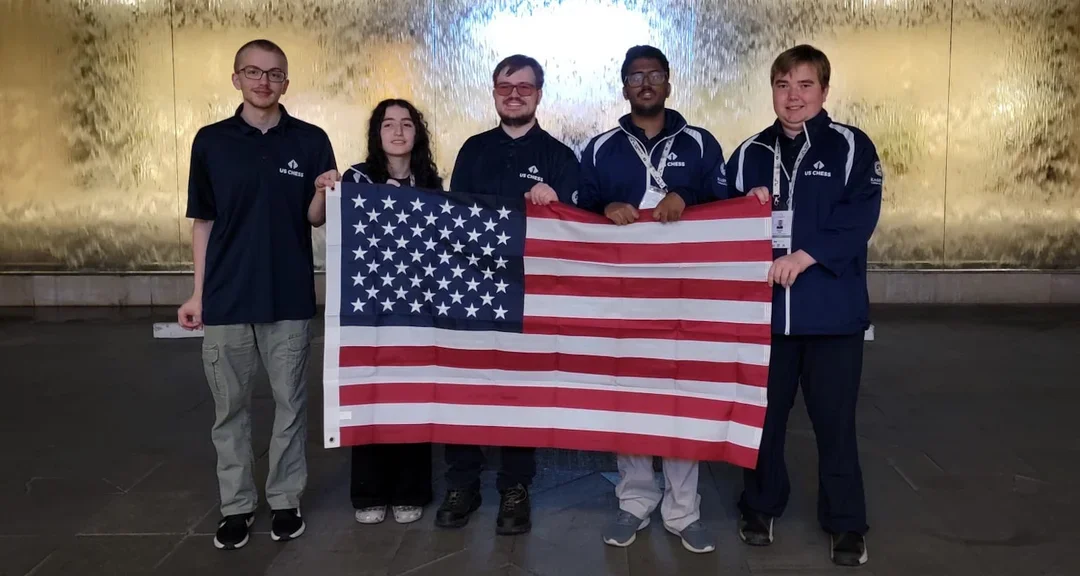
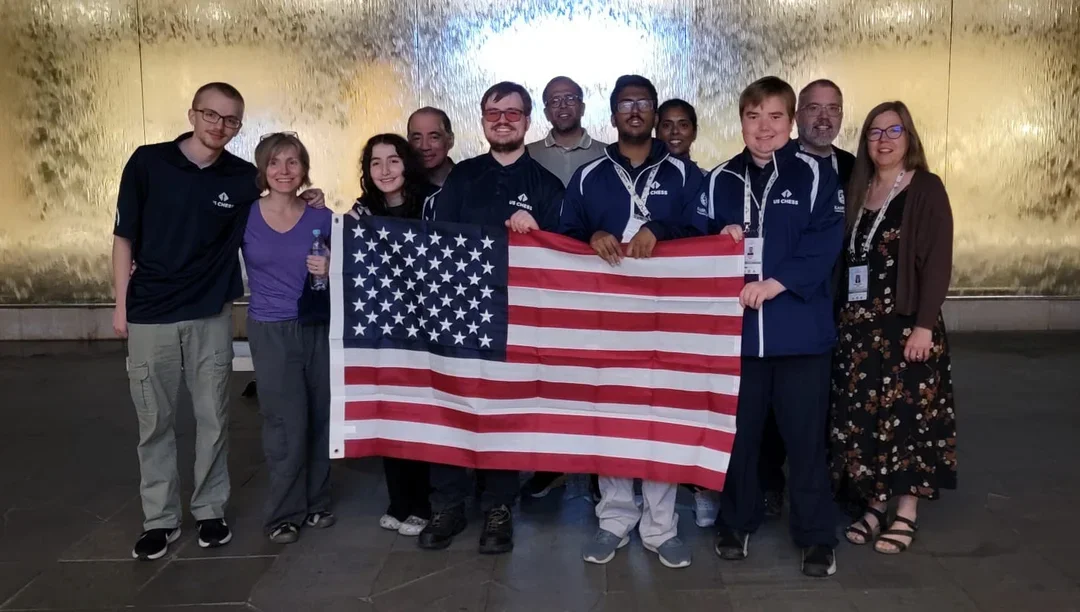
Team USA notched its best finish yet at the 3rd FIDE Olympiad for People with Disabilities. After pairings against eventual podium finishers in the second and third round, the American team was tied for 10th place after Round 4. From there, USA delivered a 5/6 score across the final three rounds to finish in fourth place with a 10/14 score, improving on last year’s tie for sixth place.
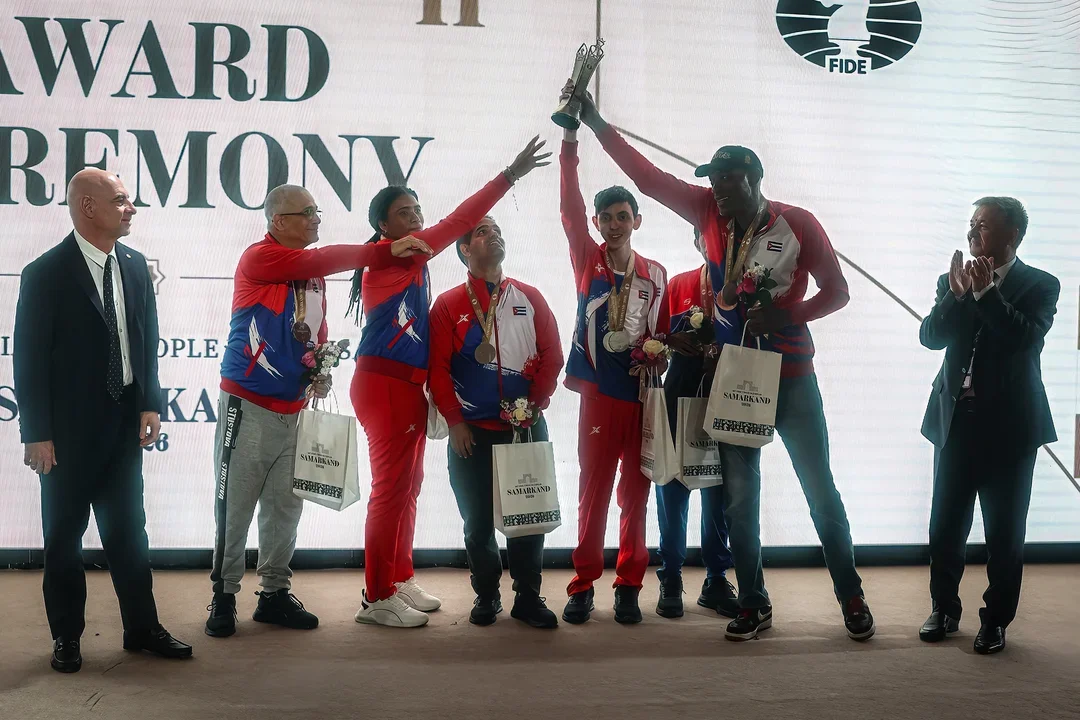
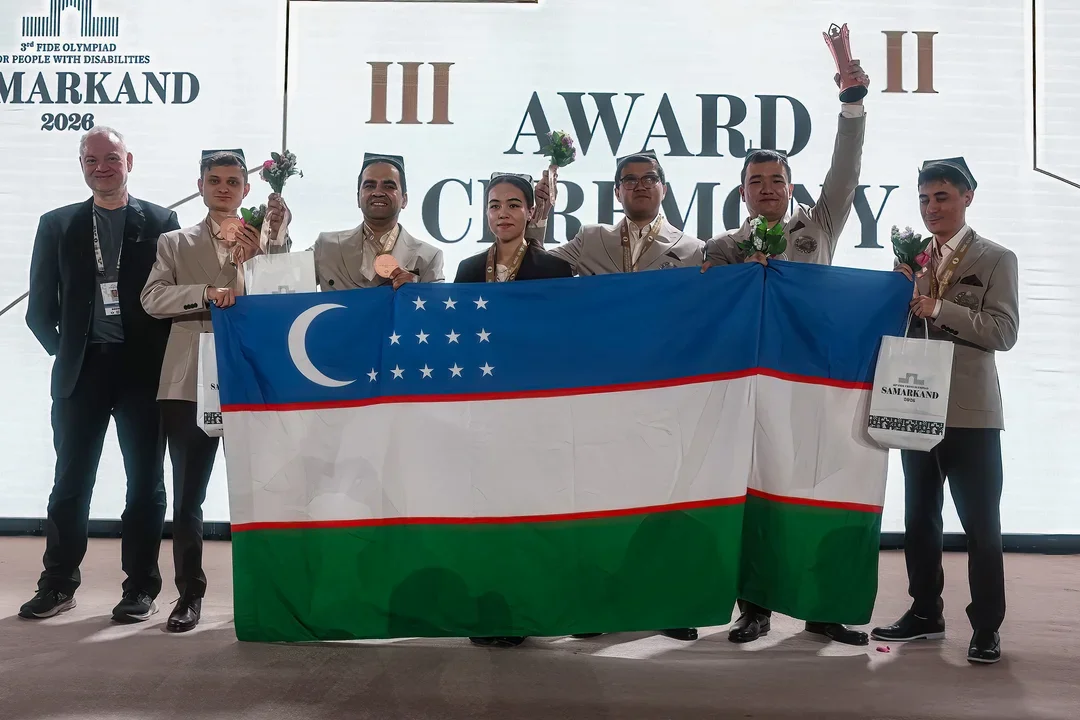
The winner of 2023’s inaugural event, Poland, won its second gold medal in three tries with a 13/14 score. Cuba won silver with a 12/14 score and the host nation, Uzbekistan, took bronze with an 11/14 by its Uzbekistan 1 team.
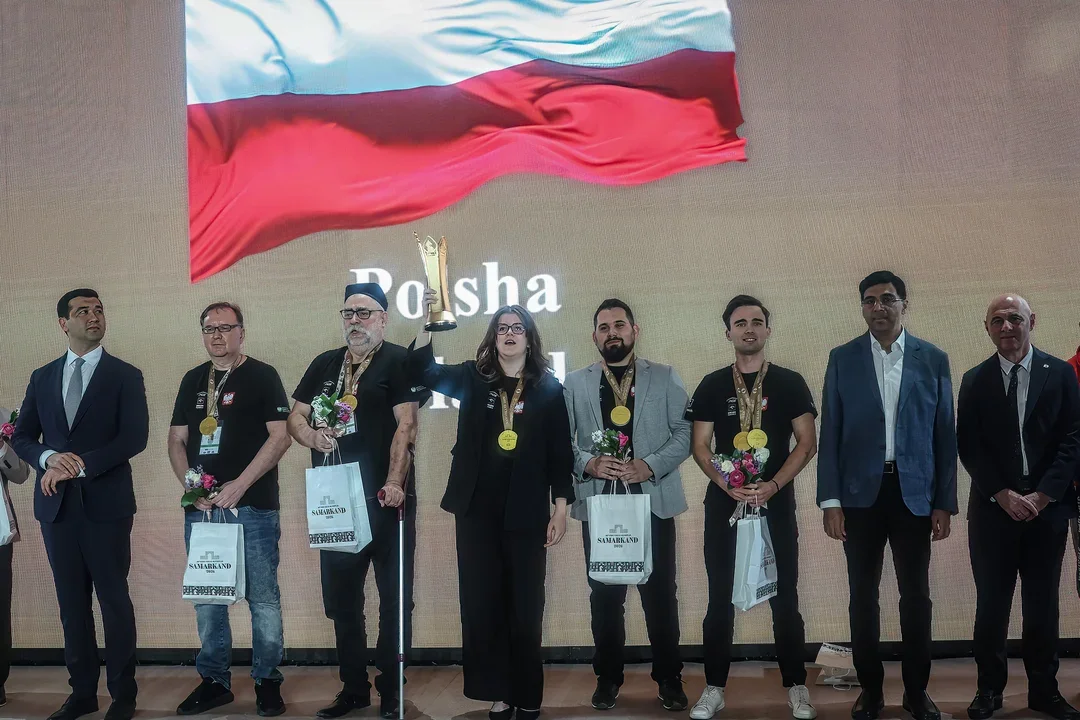
Poland also defeated Cuba 2½–1½ in Round 5, and Uzbekistan did not play either of the other medalists. USA tied Uzbekistan in 2–2 in Round 2 and lost 1½–2½ against Poland in Round 3. All standings and pairings are available here.
USA entered Thursday’s final round in a tie for sixth place and a shot at a podium finish. In addition to having to win against Ukraine, USA would need Poland and Cuba to defeat USA’s closest competitors on the top two boards and Israel to at least draw Uzbekistan 1. Poland and Cuba defeated the Philippines and Czechia, respectively, but Uzbekistan 1 eked out a 2½–1½ victory, pushing USA down to a three-way tie for fourth place with IBCA and Mongolia. With the best tiebreaks, USA finished fourth in a great showing and particularly strong finish.
In Round 5, USA defeated Argentina 3–1 with wins by FM Sullivan McConnell, Griffin McConnell, and Pranav Shankar on the top three boards. Both Griffin McConnell and Shankar’s wins as Black in Indian games were particularly captivating:
Against the Philippines n Round 6, Sullivan McConnell again won on the top board, but Griffin McConnell’s loss on Board 2 put pressure on the lower boards. WCM Celine Atassi delivered on Board 4, meaning Shankar needed a draw to clinch the match. What ensued was one of the longest and tensest games of the tournament:
With Shankar unfortunately unable to hold on, USA had to settle for a 2–2 tie and a share of sixth place, rather than a share of third, entering the final round. USA’s opponent, Ukraine, was also part of the tie for sixth, meaning both teams had everything to play for. The ensuing games certainly lived up to the hype.
For the first couple hours, it looked like the top boards would be split 1–1 with Sullivan McConnell positionally dominating Artom Andriienko while Griffin McConnell was caught in a bind against FM Mykola Mukha. Indeed, the final score did eventually end up 1–1, but in a dramatically different way.
On Board 4, Atassi won again, this time while doing her best Sullivan McConnell impression, finishing the game with just five fewer minutes on her clock than she had on move one.
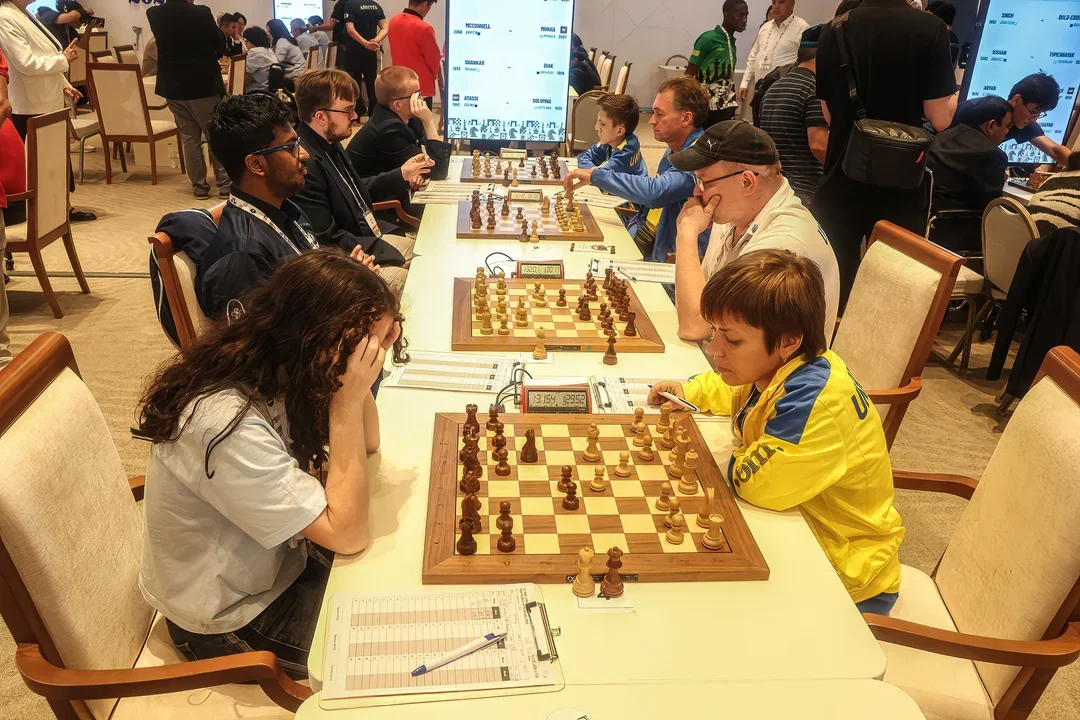
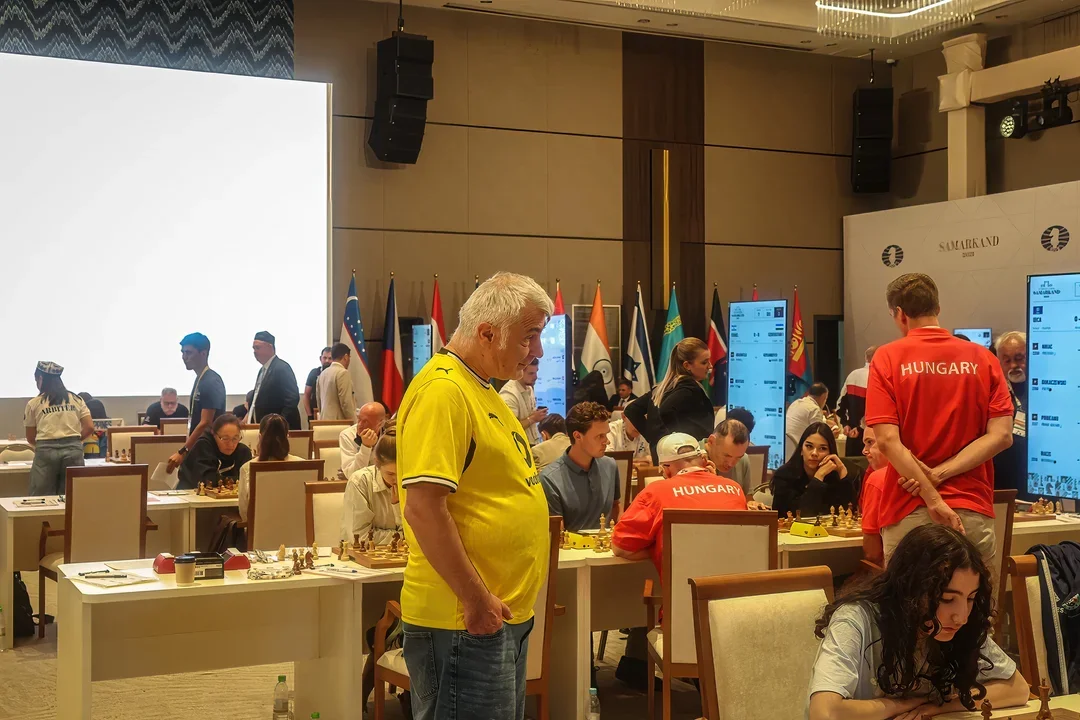
On Board 3, Shankar created problems for his opponent out of the opening and navigated some riveting complications excellently, securing the match victory.
After sitting out three of the first four rounds, Shankar’s wins in Round 5 and 7 proved crucial to USA’s strong finish. While alternates had to play in at least four rounds to be eligible for the Board 5 individual prize, it’s worth mentioning again that although he only played in three rounds, Jordan Timm’s 3/3 score was also a significant part of the team’s success.
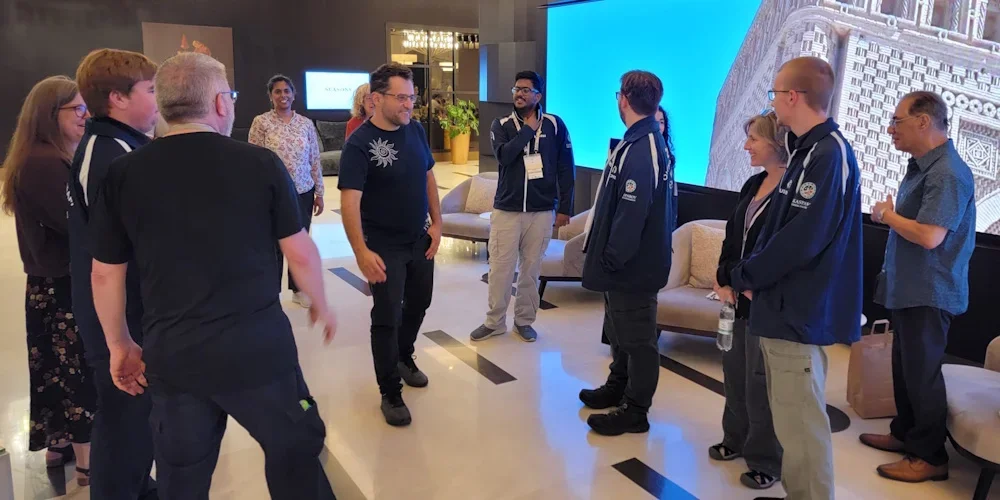
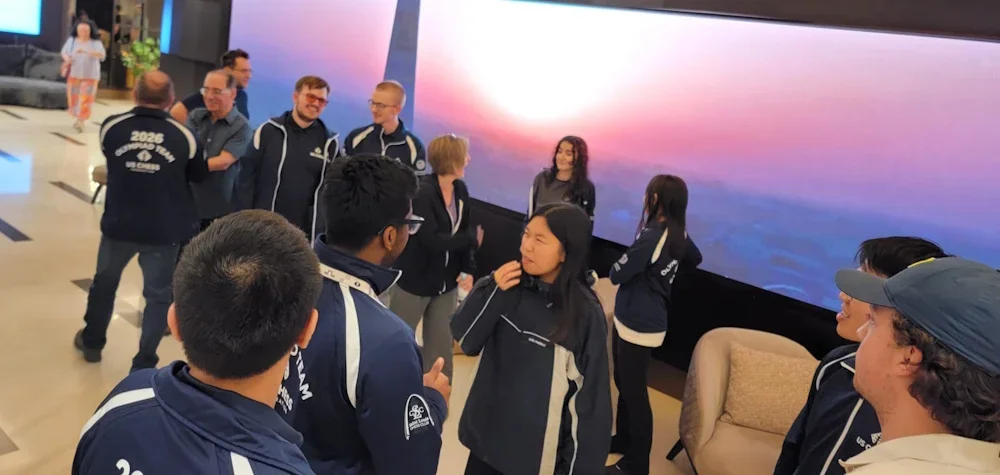
One final note: This year was the first time one nation hosted the Olympiad for People with Disabilities and the FIDE Olympiad concurrently. Wednesday night, players from all three teams had the opportunity to meet and offer some encouragement and camaraderie. All three American teams went on to win on Thursday. Hopefully the events will continue to overlap and, if they do, I think we've found a good match strategy for 2028.


Categories
Archives
- September 2026 (15)
- August 2026 (28)
- July 2026 (36)
- June 2026 (32)
- May 2026 (30)
- April 2026 (33)
- March 2026 (27)
- February 2026 (24)
- January 2026 (24)
- December 2025 (27)
- November 2025 (29)
- October 2025 (39)
- September 2025 (27)
- August 2025 (29)
- July 2025 (43)
- June 2025 (25)
- May 2025 (24)
- April 2025 (29)
- March 2025 (29)
- February 2025 (20)
- January 2025 (24)
- December 2024 (34)
- November 2024 (18)
- October 2024 (35)
- September 2024 (23)
- August 2024 (27)
- July 2024 (44)
- June 2024 (27)
- May 2024 (31)
- April 2024 (51)
- March 2024 (34)
- February 2024 (24)
- January 2024 (26)
- December 2023 (29)
- November 2023 (26)
- October 2023 (37)
- September 2023 (27)
- August 2023 (37)
- July 2023 (47)
- June 2023 (33)
- May 2023 (37)
- April 2023 (45)
- March 2023 (37)
- February 2023 (28)
- January 2023 (31)
- December 2022 (23)
- November 2022 (32)
- October 2022 (31)
- September 2022 (19)
- August 2022 (39)
- July 2022 (32)
- June 2022 (35)
- May 2022 (21)
- April 2022 (31)
- March 2022 (33)
- February 2022 (21)
- January 2022 (27)
- December 2021 (36)
- November 2021 (34)
- October 2021 (25)
- September 2021 (25)
- August 2021 (41)
- July 2021 (36)
- June 2021 (29)
- May 2021 (29)
- April 2021 (31)
- March 2021 (33)
- February 2021 (28)
- January 2021 (29)
- December 2020 (38)
- November 2020 (40)
- October 2020 (41)
- September 2020 (35)
- August 2020 (38)
- July 2020 (36)
- June 2020 (46)
- May 2020 (42)
- April 2020 (37)
- March 2020 (60)
- February 2020 (38)
- January 2020 (45)
- December 2019 (34)
- November 2019 (35)
- October 2019 (42)
- September 2019 (45)
- August 2019 (56)
- July 2019 (44)
- June 2019 (35)
- May 2019 (40)
- April 2019 (48)
- March 2019 (61)
- February 2019 (39)
- January 2019 (30)
- December 2018 (29)
- November 2018 (51)
- October 2018 (45)
- September 2018 (29)
- August 2018 (49)
- July 2018 (35)
- June 2018 (31)
- May 2018 (39)
- April 2018 (31)
- March 2018 (26)
- February 2018 (33)
- January 2018 (30)
- December 2017 (26)
- November 2017 (24)
- October 2017 (30)
- September 2017 (30)
- August 2017 (32)
- July 2017 (27)
- June 2017 (32)
- May 2017 (26)
- April 2017 (37)
- March 2017 (28)
- February 2017 (30)
- January 2017 (27)
- December 2016 (29)
- November 2016 (24)
- October 2016 (32)
- September 2016 (31)
- August 2016 (27)
- July 2016 (24)
- June 2016 (26)
- May 2016 (19)
- April 2016 (30)
- March 2016 (37)
- February 2016 (27)
- January 2016 (33)
- December 2015 (25)
- November 2015 (23)
- October 2015 (16)
- September 2015 (28)
- August 2015 (28)
- July 2015 (6)
- June 2015 (1)
- May 2015 (2)
- April 2015 (1)
- February 2015 (3)
- January 2015 (1)
- December 2014 (1)
- July 2010 (1)
- October 1991 (1)
- August 1989 (1)
- January 1988 (1)
- December 1983 (1)