


Grandmaster Jan Timman, a former world No. 2, a three-time world championship candidate and nine-time Dutch champion, died Thursday. He was 74.
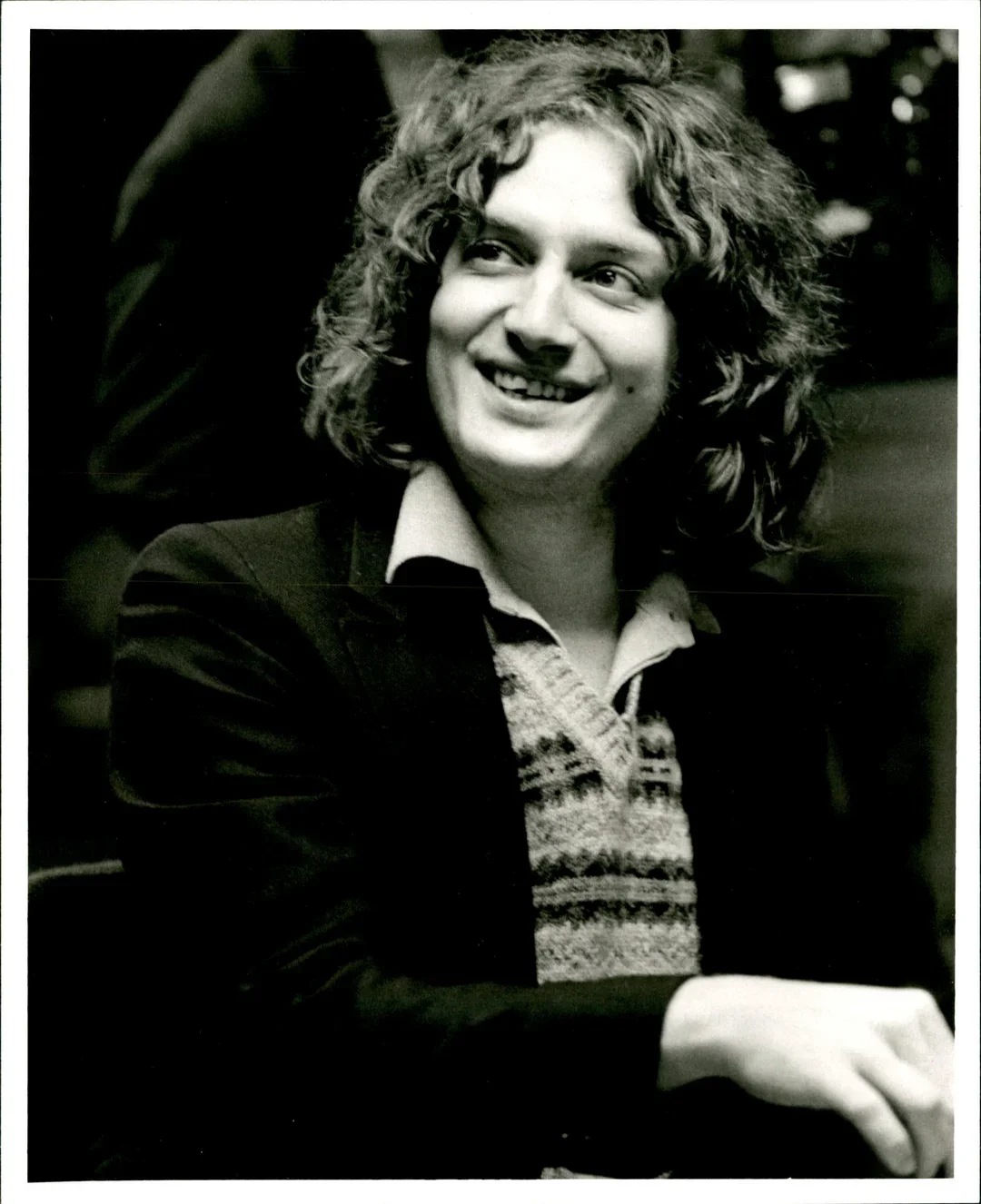
Born in Amsterdam, Timman first made his mark at age 15, finishing third in the World Junior Championship. He became the Netherlands’ third grandmaster in 1974.
By the 1980s, he was often referred to as the “Best of the West,” winning international tournaments alongside the Soviets’ best. Some of his most impressive results included first places in the IBM tournament of 1981; the Wijk aan Zee tournaments (now known as Tata Steel) in 1981 and 1985, and the 1988 edition of the Linares supertournament.
He also won two interzonals — Taxco in 1985 and Tilburg in 1987. He was second on the January 1982 FIDE rating list to World Champion Anatoly Karpov.
Timman remained a strong player for years after that: He won the 1991 Immopar knockout rapid tournament, taking out GM Gata Kamsky and past, present and future world champions Viswanathan Anand, Karpov and Garry Kasparov along the way. He also reached the Candidates final in 1993; when Kasparov and challenger GM Nigel Short split with FIDE and contested a match under private auspices in London, Timman and Karpov played for the FIDE World Championship.
He represented the Netherlands in 13 Olympiads, winning the Board 1 gold medal in 1976. Timman also played on the gold medal-winning team in the European Team Championships in 2005; he played in the Dutch Championship in 2024, and appears to have last played in a Dutch team tournament last year.
“I will play until I feel that I don’t play well anymore,” Timman told Chess.com’s Peter Doggers in 2012. “Of course I will sometimes play a bad game, this will happen for sure. If you're getting older, you'll have bad days more and more. But as long as I can play good games, I will certainly enjoy doing this.”
Timman was known for having said in recent years that if he were young today he would not have become a professional chessplayer. He told the Dutch newspaper NRC in 2023 that the influx of information had sapped the fun from the game.
Young players “just sit behind computers all day,” Timman said. Perhaps ironically, the work that computers do actually created more work for the professional player. “It’s not just traveling around and having a fun life, like I did. It was a hippie life, but with a purpose.”
Timman wrote extensively on chess and was an editor of the essential Dutch magazine New in Chess. His first book, 1980’s The Art of Chess Analysis, was a collection of games (some played by him) with his dense notes, written while he was growing in strength and published while he was still becoming one of the world's top players. For an amateur at the time, the book’s lack of positional generalizations and easy-to-remember principles served as a sobering indication in the pre-computer age how deeply strong players analyzed positions both at the board and after the game.
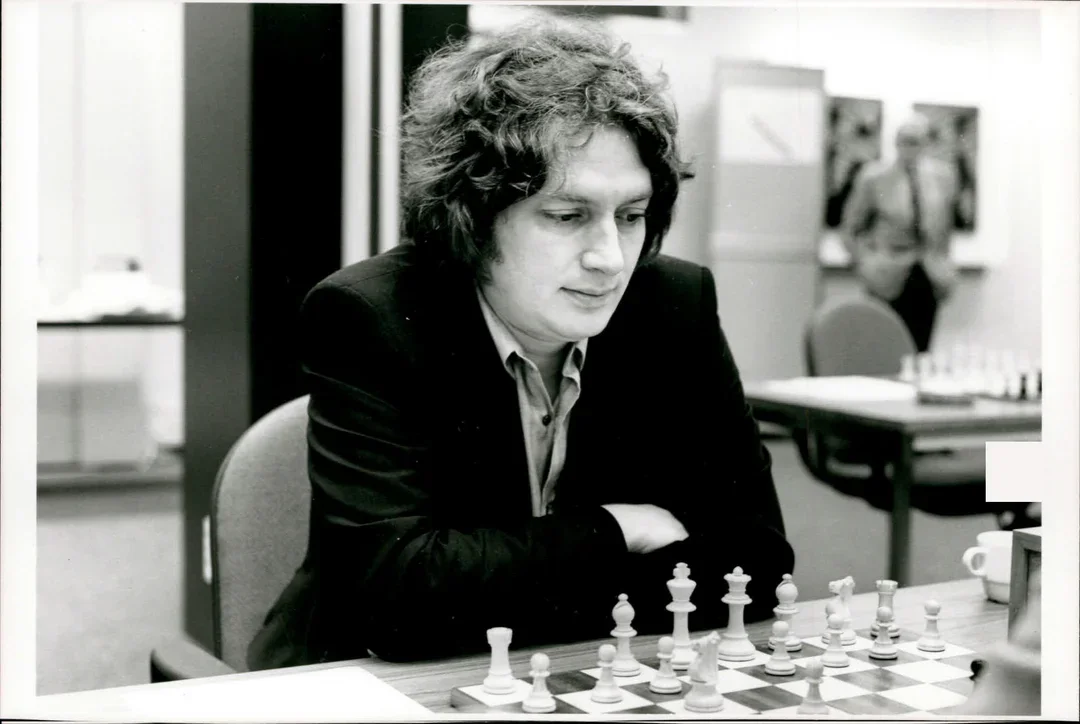
Some of Timman’s best work was on his own games: Chess the Adventurous Way (1994); Studies and Games (1996; translated from the 1983 Schaakwerk); and Timman’s Triumphs: My 100 Best Games (2020). His encounters with the world champions are further recounted in the 2016 Timman’s Titans, which was given a glowing review by John Hartmann in his days as a Chess Life columnist.
Other titles included Fischer World Champion!, a recounting of the 1972 World Championship; Curaçao 1962: The Battle of Minds That Shook the Chess World, about the infamous 1962 Candidates Tournament that led Fischer to write the earthshaking piece “The Russians Have Fixed World Chess,” and Botvinnik’s Secret Games, which unearthed a trove of games from private training matches the Soviet legend played as world champion. He also wrote a collection of games of former World Champion Max Euwe, who is considered to be Timman’s great predecessor in Dutch chess.
Timman’s appreciation of the game included the artistry of chess: He was one of the strongest players to become a serious chess composer, gaining the title of FIDE Master of Chess Composition in 2022, and wrote several books on chess problems and studies. His first, Studies and Games, came out in 1996, written just a few years after his match with Karpov. His works also included The Art of the Endgame: My Journeys in the Magical World of Endgame Studies in 2011 and 100 Endgame Studies You Must Know in 2022. His final book, Timman’s Studies: My Collected Endgame Studies and Their Origins, came out late last year.
While Timman was obviously a strong and practical player, his deep analysis and love of composition spoke to a desire to seek the absolute truth about a position, and the maximum beauty from the pieces. “I think I am a good fighter,” he told Doggers, “but I’m also fascinated by perfection.” He told the New in Chess podcast last year that Timman’s Studies included improvements on studies he had already won prizes for.
For all of this, Timman was inducted into the World Chess Hall of Fame last October. He wasn’t at the ceremony.
“I can't complain,” Timman told Doggers in 2012. “I was very successful in the World Championship cycle; I reached high positions in the world rankings … it’s fine. I think I got all, or almost all, there was to get out of my career.”


Categories
Archives
- October 2026 (19)
- September 2026 (26)
- August 2026 (28)
- July 2026 (36)
- June 2026 (32)
- May 2026 (30)
- April 2026 (33)
- March 2026 (27)
- February 2026 (24)
- January 2026 (24)
- December 2025 (27)
- November 2025 (29)
- October 2025 (39)
- September 2025 (27)
- August 2025 (29)
- July 2025 (43)
- June 2025 (25)
- May 2025 (24)
- April 2025 (29)
- March 2025 (29)
- February 2025 (20)
- January 2025 (24)
- December 2024 (34)
- November 2024 (18)
- October 2024 (35)
- September 2024 (23)
- August 2024 (27)
- July 2024 (44)
- June 2024 (27)
- May 2024 (31)
- April 2024 (51)
- March 2024 (34)
- February 2024 (24)
- January 2024 (26)
- December 2023 (29)
- November 2023 (26)
- October 2023 (37)
- September 2023 (27)
- August 2023 (37)
- July 2023 (47)
- June 2023 (33)
- May 2023 (37)
- April 2023 (45)
- March 2023 (37)
- February 2023 (28)
- January 2023 (31)
- December 2022 (23)
- November 2022 (32)
- October 2022 (31)
- September 2022 (19)
- August 2022 (39)
- July 2022 (32)
- June 2022 (35)
- May 2022 (21)
- April 2022 (31)
- March 2022 (33)
- February 2022 (21)
- January 2022 (27)
- December 2021 (36)
- November 2021 (34)
- October 2021 (25)
- September 2021 (25)
- August 2021 (41)
- July 2021 (36)
- June 2021 (29)
- May 2021 (29)
- April 2021 (31)
- March 2021 (33)
- February 2021 (28)
- January 2021 (29)
- December 2020 (38)
- November 2020 (40)
- October 2020 (41)
- September 2020 (35)
- August 2020 (38)
- July 2020 (36)
- June 2020 (46)
- May 2020 (42)
- April 2020 (37)
- March 2020 (60)
- February 2020 (38)
- January 2020 (45)
- December 2019 (34)
- November 2019 (35)
- October 2019 (42)
- September 2019 (45)
- August 2019 (56)
- July 2019 (44)
- June 2019 (35)
- May 2019 (40)
- April 2019 (48)
- March 2019 (61)
- February 2019 (39)
- January 2019 (30)
- December 2018 (29)
- November 2018 (51)
- October 2018 (45)
- September 2018 (29)
- August 2018 (49)
- July 2018 (35)
- June 2018 (31)
- May 2018 (39)
- April 2018 (31)
- March 2018 (26)
- February 2018 (33)
- January 2018 (30)
- December 2017 (26)
- November 2017 (24)
- October 2017 (30)
- September 2017 (30)
- August 2017 (32)
- July 2017 (27)
- June 2017 (32)
- May 2017 (26)
- April 2017 (37)
- March 2017 (28)
- February 2017 (30)
- January 2017 (27)
- December 2016 (29)
- November 2016 (24)
- October 2016 (32)
- September 2016 (31)
- August 2016 (27)
- July 2016 (24)
- June 2016 (26)
- May 2016 (19)
- April 2016 (30)
- March 2016 (37)
- February 2016 (27)
- January 2016 (33)
- December 2015 (25)
- November 2015 (23)
- October 2015 (16)
- September 2015 (28)
- August 2015 (28)
- July 2015 (6)
- June 2015 (1)
- May 2015 (2)
- April 2015 (1)
- February 2015 (3)
- January 2015 (1)
- December 2014 (1)
- July 2010 (1)
- October 1991 (1)
- August 1989 (1)
- January 1988 (1)
- December 1983 (1)