

For the second year in a row, I had the privilege of representing US Chess at US Squash events in Philadelphia, PA at the Arlen Specter Center. As the Director of Programs for US Chess, my job is to build connections between chess and other communities.
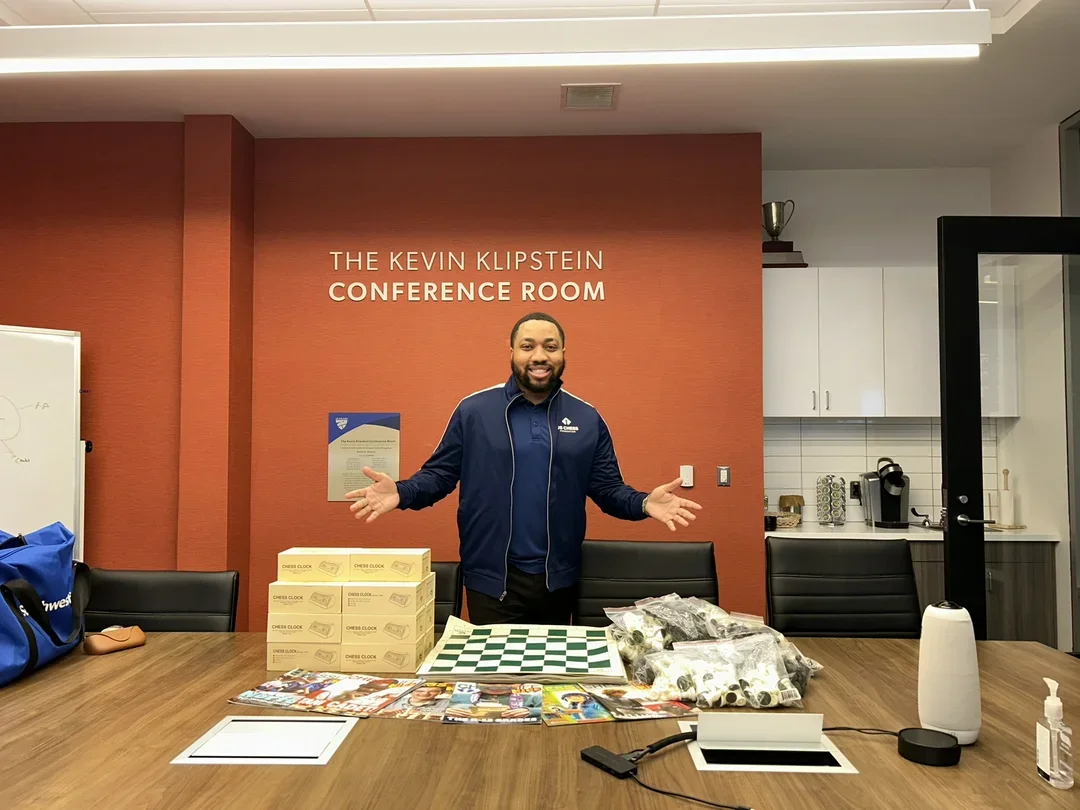
Last year, squash players and their families flocked to our chess boards between matches, and I’ve been told by US Squash officials that players have continued to use the boards we donated on a weekly basis.
When the center is open for members to drop in, the boards are readily available. I was told that they bring them out during events as well. As squash at the Specter Center continues to grow, chess can be included in academic enrichment programming during school-day afternoons as well.
So, this year, I came back with 10 more boards (up from last year’s five), and attended both US Squash Middle School Nationals (Jan. 30 through Feb. 1) and Squash and Education Alliance (SEA) Team Nationals for at-risk youth from Feb. 6 through 8 to collaborate with US Squash and promote educational programming.
Participation in chess and squash each correlate with positive academic outcomes that help students become strong thinkers as well as strong athletes. It’s not surprising, then, that squash players are drawn to chess, and since squash is a quickly growing sport in the U.S., we hope to see a squash-to-chess (and chess-to-squash!) pipeline develop.
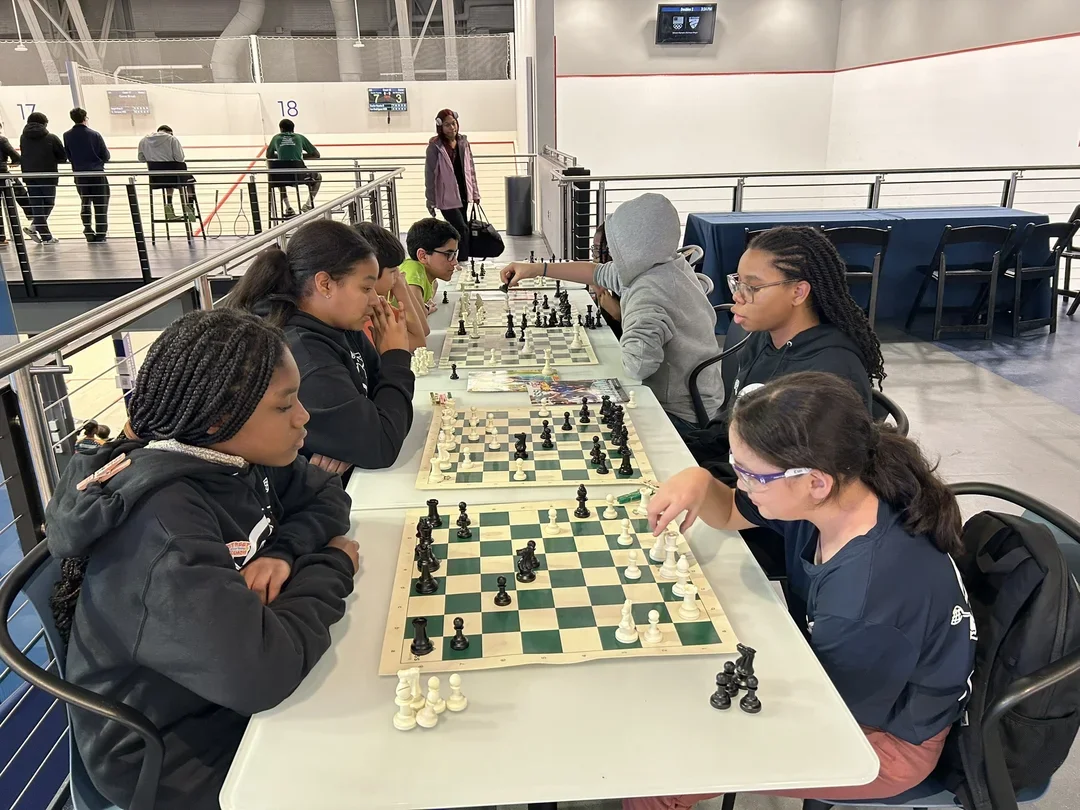
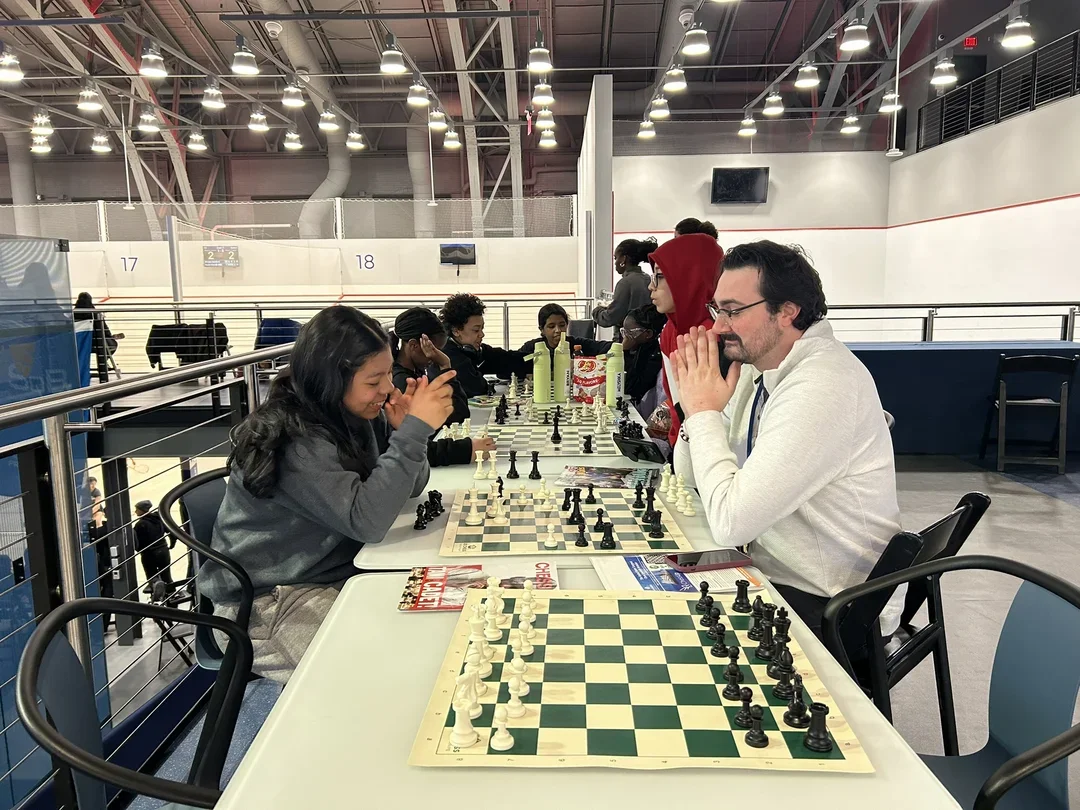
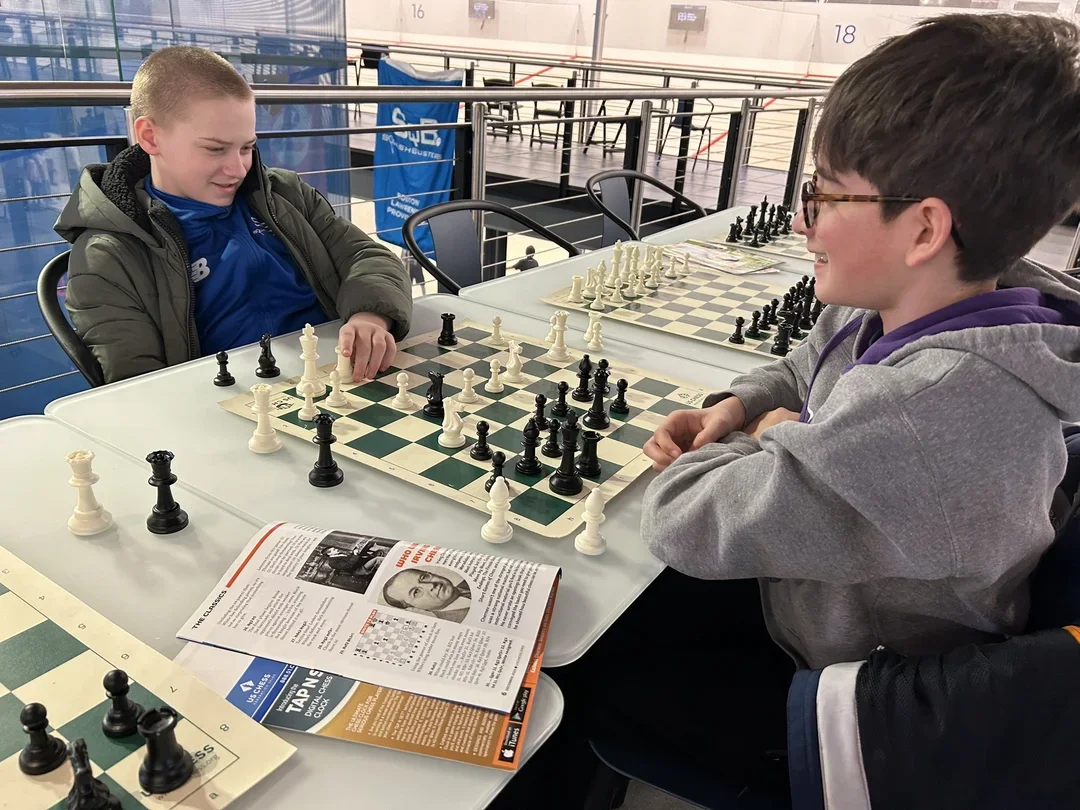
Both weekends, participants of all ages and genders came to the chess tables to play me, each other, and their families. Across both events, every kid was eager to play chess in between their matches and would frequently bring their friends, coaches, or parents over as well. Younger and older kids all engaged with the chess tables and at no point did I have to entice any students to come and play: The tables were constantly active, with some players learning how the pieces move while others showed comfort with tactical and strategic themes.


We also had a special guest volunteer who bridges the worlds of squash and chess: Yohan Ghosh. Ghosh is a 13-year-old from New Jersey who enjoys both chess and squash. An expert rated 2040, Ghosh is currently ranked 48th nationally for his age. He actually began playing squash about two years ago after hearing it described as “chess on court.” He has been steadily developing his squash game through junior competitions and now competes in the Under-15 category.
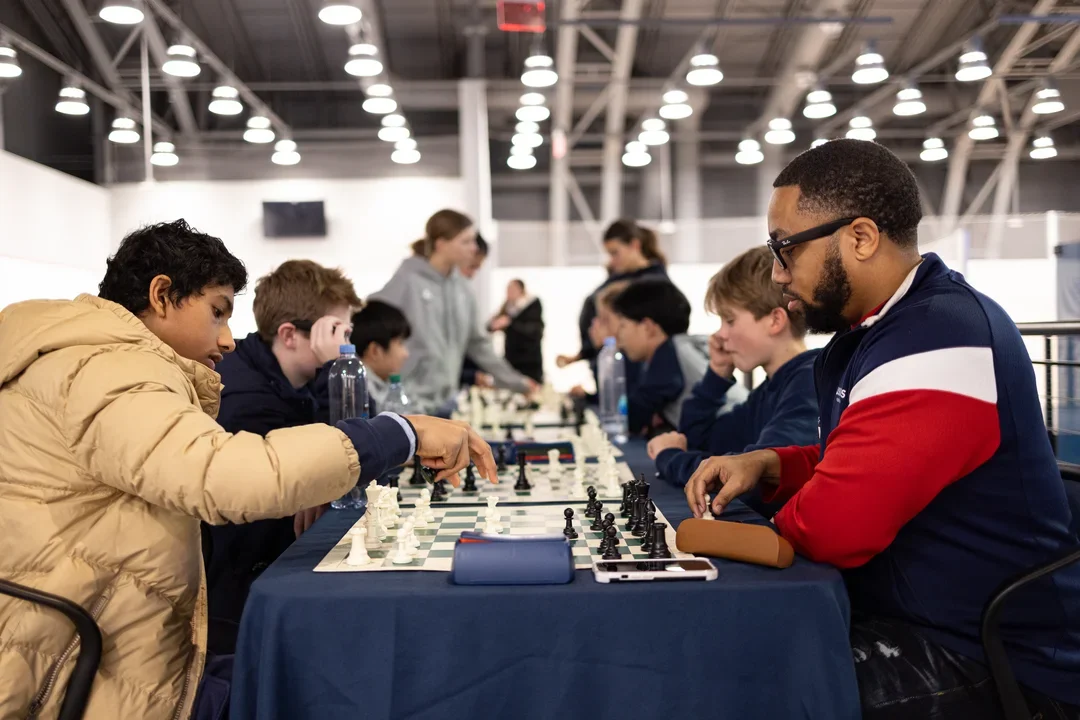
All weekend, Ghosh was with me to talk to other squash competitors about how chess thinking can translate to on-court decision-making, and I learned a lot from him, too.

What makes squash and chess a good match? As an individual sport, squash emphasizes both competition and accountability. US Squash’s Code of Conduct emphasizes that, “The difference between winning and losing fairly is in the hands and control of each player, regardless of the officials involved.” Similarly, in chess, even when a tournament director is required to adjudicate a decision, ultimately it is up to competitors to balance the many elements that are uniquely in their control.


Additionally, chess and squash are both gaining momentum at the scholastic and collegiate levels. While not an NCAA-sponsored sport, squash is played competitively at over 60 American colleges and universities. This is similar to the number of colleges and universities competing in the Pan-American Intercollegiate Chess Championship, which has also been growing year after year.
Both chess and squash are activities that require minimal equipment to compete at a high level, with squash needing only a four-walled court, a ball, and a racket. This isn’t much more than a board, pieces, and clock, especially if you have access to a facility with a court.
But these are parallels that are true between chess and most any individual sport or activity. With squash, the real comparisons are strategic.
Squash is the only racquet sport where both competitors share the same physical space, rather than facing off on opposite sides of the net. Similarly, in chess, all 64 squares are up for grabs. We’ve all pushed a pawn too far and been punished for it. But we’ve also all gotten positions that were cramped to the point of being unplayable. In squash, players are physically jockeying over space with the same strategic concerns in mind.
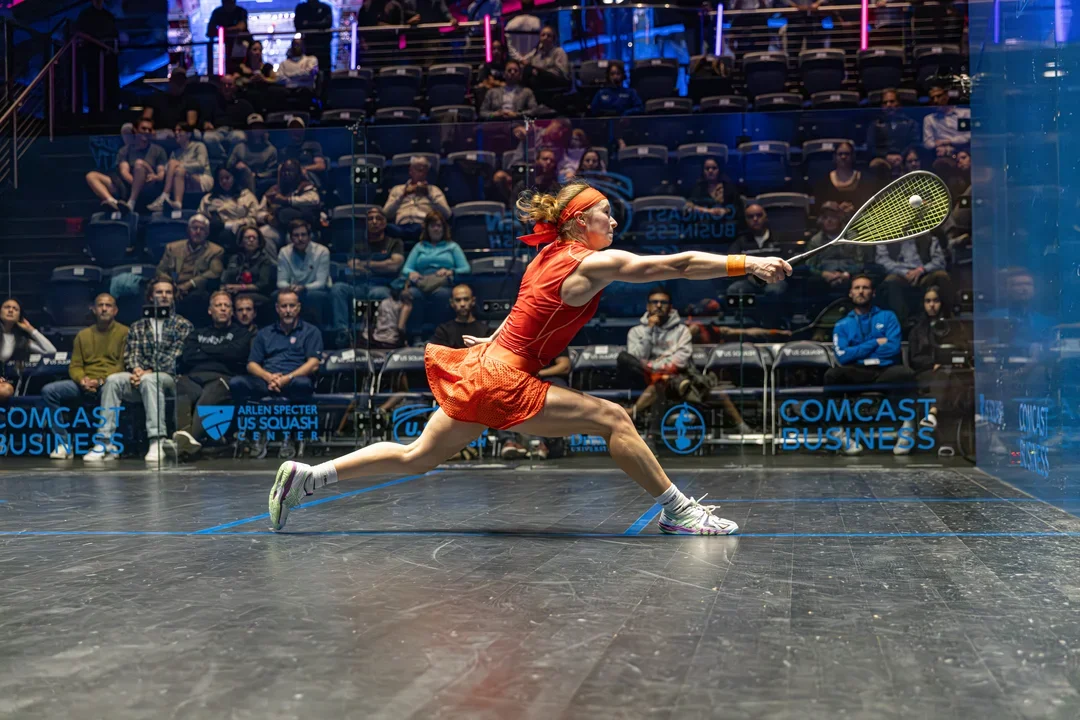
Specifically, watching matches over the past two weeks, I was struck by how squash and chess both require creativity in the form of backwards maneuvering. In squash, 33% of movement is backwards. Not only does this work out different muscles, but it also requires quick decision-making to break away from building forward momentum. Think of knights moving backwards, not to defend other pieces, but to shoot out on a new circuit in unexpected ways.
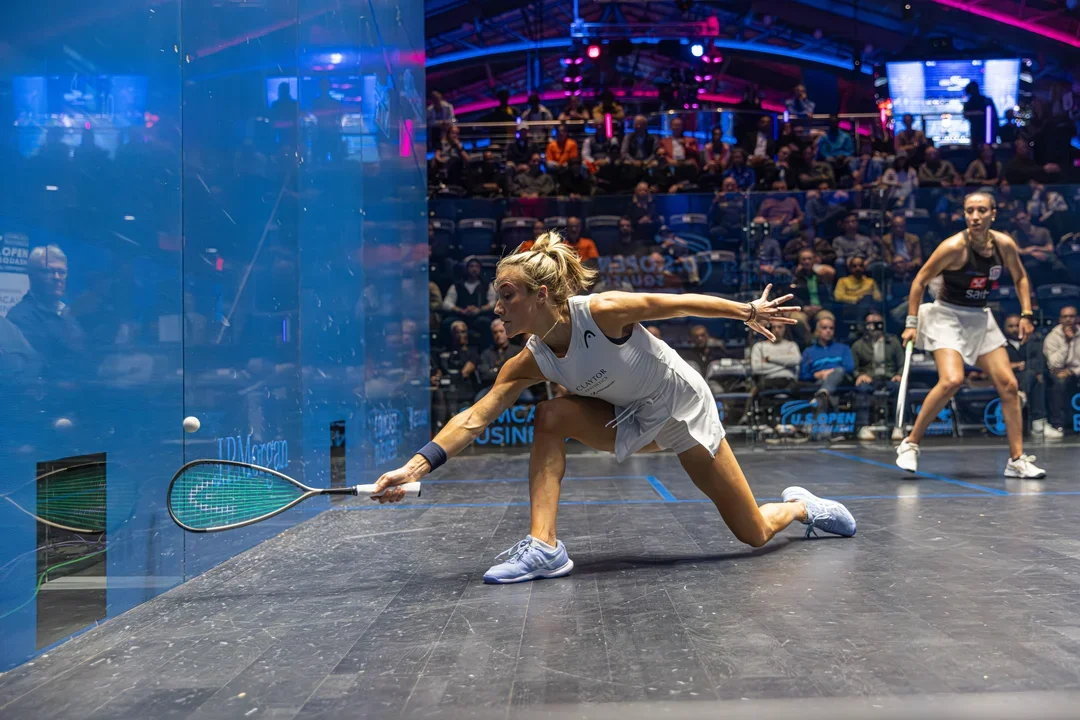
Given all of this strategic overlap, it makes sense why squash players were racing to the chess boards between their matches. It’s hard to turn your mind off after a tough competition in anything, and chess allows these athletes to continue strategizing and fighting for space while resting their legs before the next match.


This collaboration is part of a larger initiative — the Cross-Sport Initiative — aiming to build strategic partnerships between chess and other sports. Look for more articles exploring the connections between chess and other sports in the future.


Categories
Archives
- October 2026 (12)
- September 2026 (27)
- August 2026 (28)
- July 2026 (36)
- June 2026 (32)
- May 2026 (30)
- April 2026 (33)
- March 2026 (27)
- February 2026 (24)
- January 2026 (24)
- December 2025 (27)
- November 2025 (29)
- October 2025 (39)
- September 2025 (27)
- August 2025 (29)
- July 2025 (43)
- June 2025 (25)
- May 2025 (24)
- April 2025 (29)
- March 2025 (29)
- February 2025 (20)
- January 2025 (24)
- December 2024 (34)
- November 2024 (18)
- October 2024 (35)
- September 2024 (23)
- August 2024 (27)
- July 2024 (44)
- June 2024 (27)
- May 2024 (31)
- April 2024 (51)
- March 2024 (34)
- February 2024 (24)
- January 2024 (26)
- December 2023 (29)
- November 2023 (26)
- October 2023 (37)
- September 2023 (27)
- August 2023 (37)
- July 2023 (47)
- June 2023 (33)
- May 2023 (37)
- April 2023 (45)
- March 2023 (37)
- February 2023 (28)
- January 2023 (31)
- December 2022 (23)
- November 2022 (32)
- October 2022 (31)
- September 2022 (19)
- August 2022 (39)
- July 2022 (32)
- June 2022 (35)
- May 2022 (21)
- April 2022 (31)
- March 2022 (33)
- February 2022 (21)
- January 2022 (27)
- December 2021 (36)
- November 2021 (34)
- October 2021 (25)
- September 2021 (25)
- August 2021 (41)
- July 2021 (36)
- June 2021 (29)
- May 2021 (29)
- April 2021 (31)
- March 2021 (33)
- February 2021 (28)
- January 2021 (29)
- December 2020 (38)
- November 2020 (40)
- October 2020 (41)
- September 2020 (35)
- August 2020 (38)
- July 2020 (36)
- June 2020 (46)
- May 2020 (42)
- April 2020 (37)
- March 2020 (60)
- February 2020 (38)
- January 2020 (45)
- December 2019 (34)
- November 2019 (35)
- October 2019 (42)
- September 2019 (45)
- August 2019 (56)
- July 2019 (44)
- June 2019 (35)
- May 2019 (40)
- April 2019 (48)
- March 2019 (61)
- February 2019 (39)
- January 2019 (30)
- December 2018 (29)
- November 2018 (51)
- October 2018 (45)
- September 2018 (29)
- August 2018 (49)
- July 2018 (35)
- June 2018 (31)
- May 2018 (39)
- April 2018 (31)
- March 2018 (26)
- February 2018 (33)
- January 2018 (30)
- December 2017 (26)
- November 2017 (24)
- October 2017 (30)
- September 2017 (30)
- August 2017 (32)
- July 2017 (27)
- June 2017 (32)
- May 2017 (26)
- April 2017 (37)
- March 2017 (28)
- February 2017 (30)
- January 2017 (27)
- December 2016 (29)
- November 2016 (24)
- October 2016 (32)
- September 2016 (31)
- August 2016 (27)
- July 2016 (24)
- June 2016 (26)
- May 2016 (19)
- April 2016 (30)
- March 2016 (37)
- February 2016 (27)
- January 2016 (33)
- December 2015 (25)
- November 2015 (23)
- October 2015 (16)
- September 2015 (28)
- August 2015 (28)
- July 2015 (6)
- June 2015 (1)
- May 2015 (2)
- April 2015 (1)
- February 2015 (3)
- January 2015 (1)
- December 2014 (1)
- July 2010 (1)
- October 1991 (1)
- August 1989 (1)
- January 1988 (1)
- December 1983 (1)