


IA/IO Carlos Chavez is the Executive Directors of the storied Marshall Chess Club in Manhattan, NY. Last month, he traveled to Samarkand, Uzbekistan to work as a Match Arbiter for the 3rd FIDE Olympiad for People with Disabilities.
He documented his experience in The Marshall Spectator newsletter, and, with permission from the Spectator and from Chavez, we are reprinting his article here.
Review all of Chess Life Online's coverage from Samarkand here.
Empowerment, accessibility, diversity, equity, and inclusion were not only words spoken but principles put into practice at the 3rd FIDE Chess Olympiad for Players with Disabilities. I had the privilege of serving as a match arbiter at this historic event in Samarkand, where I witnessed the success of creating a fair and welcoming playing field for chess players with disabilities.
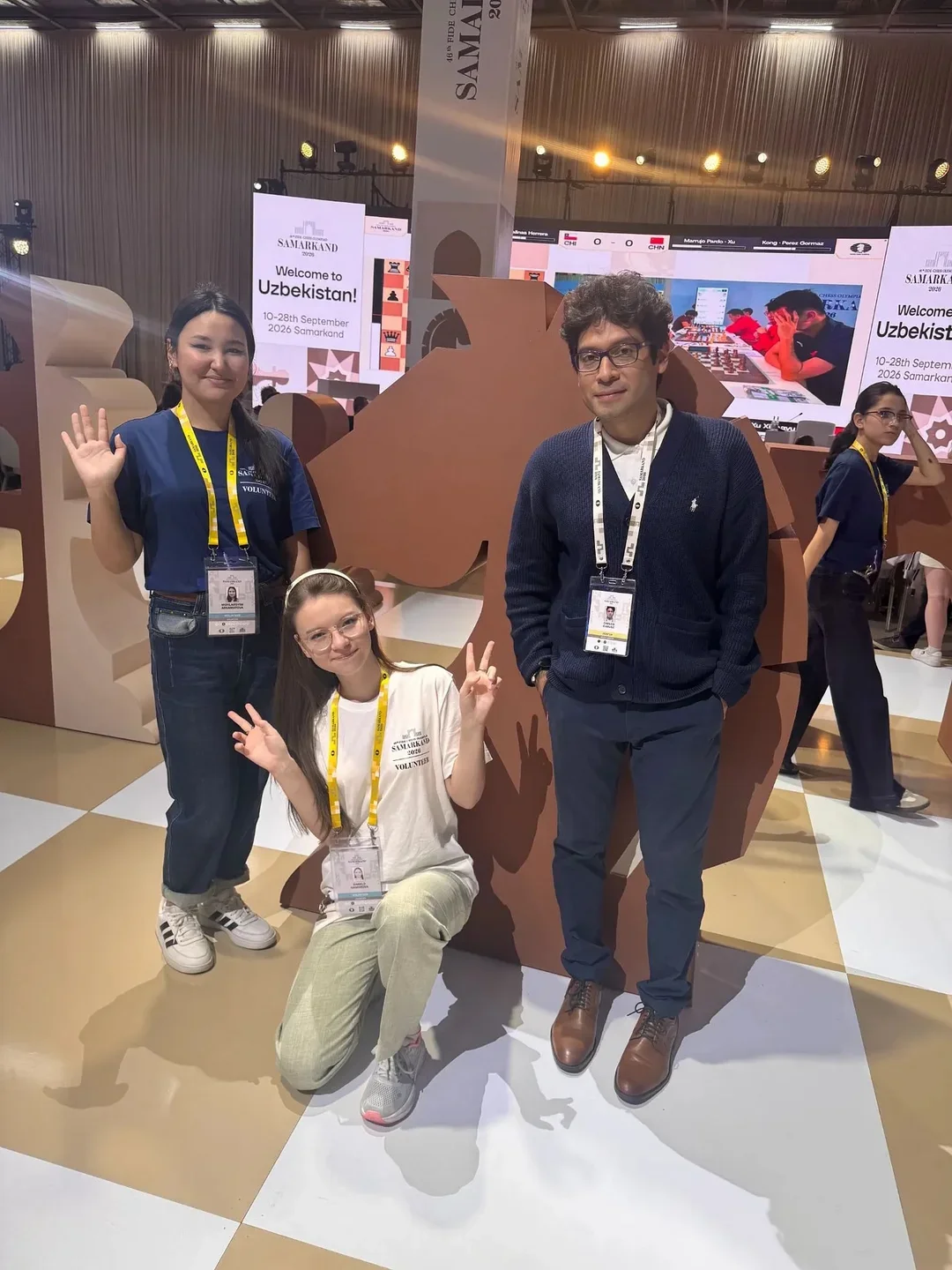
As an arbiter, organizer, and chess player with a physical disability myself, I immediately understood the importance of an event where we could come together to officiate, compete, and celebrate chess on a fair and level playing field under the FIDE Laws of Chess. I would like to take you on this meaningful journey, which deeply influenced my understanding of what it means to be an arbiter, organizer, chess player, and human being.
Day 1 — September 9
Day 1 began with my arrival in Samarkand at 7 a.m. after a 22-hour journey from JFK to Istanbul and then from Istanbul to Samarkand. A shuttle bus picked up the players and arbiters at the airport and transported us to the Samarkand Silk Road Complex, a sprawling international resort and tourist attraction.
Later that evening, we met with the organizers, Chief Arbiter, Deputy Arbiters, Sector Arbiters, and Match Arbiters for brief introductions and an overview of our duties and responsibilities for the days ahead.
Day 2 — September 10
Day 2 began with an early follow-up meeting where we were assigned to our respective Sector Arbiters and began preparations for Round 1 the following day. We reviewed protocols and prepared scoresheets, clipboards, pens, and an appropriate playing hall for the competition.
Later that evening, all the players and arbiters attended the opening ceremony at the Minyoun Hotel. The ceremony featured opening remarks from representatives of the Uzbekistan Chess Federation, Chair of the Players with Disabilities Commission Thomas Luther, and Secretary Nikolaos Kalesis, along with unforgettable Uzbek music, dance, and cultural performances.
Day 3 — Round 1, September 11
Round 1 took place on Friday, September 11, at 3:00 p.m. Uzbekistan is nine hours ahead of New York, so it was only 6:00 a.m. back home, and I was still overcoming my jet lag.
For the first round, I was assigned to the Brazil vs. Philippines match, which ended 3½–½ in favor of the Philippines. This first match presented me with several unique situations that required me to make quick adjustments.
Right before the round started, I was informed by the Brazilian captain that the player on Board 1 was visually impaired and had brought her own chess set. I was also informed that the Brazilian player on Board 2 needed additional cushioning on his chair to see and reach the board more comfortably.
I spoke with my Sector Arbiter, and we were able to quickly make the necessary adjustments and find appropriate solutions to meet the players’ needs. The following day, both players thanked me for the efficient way we addressed their specific needs and created an adequate playing environment for them.
Days 4–8 — September 12–17
These were the days when I became fully immersed in the magnitude and importance of the 3rd FIDE Chess Olympiad for Players with Disabilities.
I was officially assigned to the Spanish team for the remainder of the event because they needed a fluent Spanish speaker. All of the Spanish players were visually impaired, which required them to use their own chess sets and additional tables. Spain was the only team whose match required seven tables instead of the usual four.
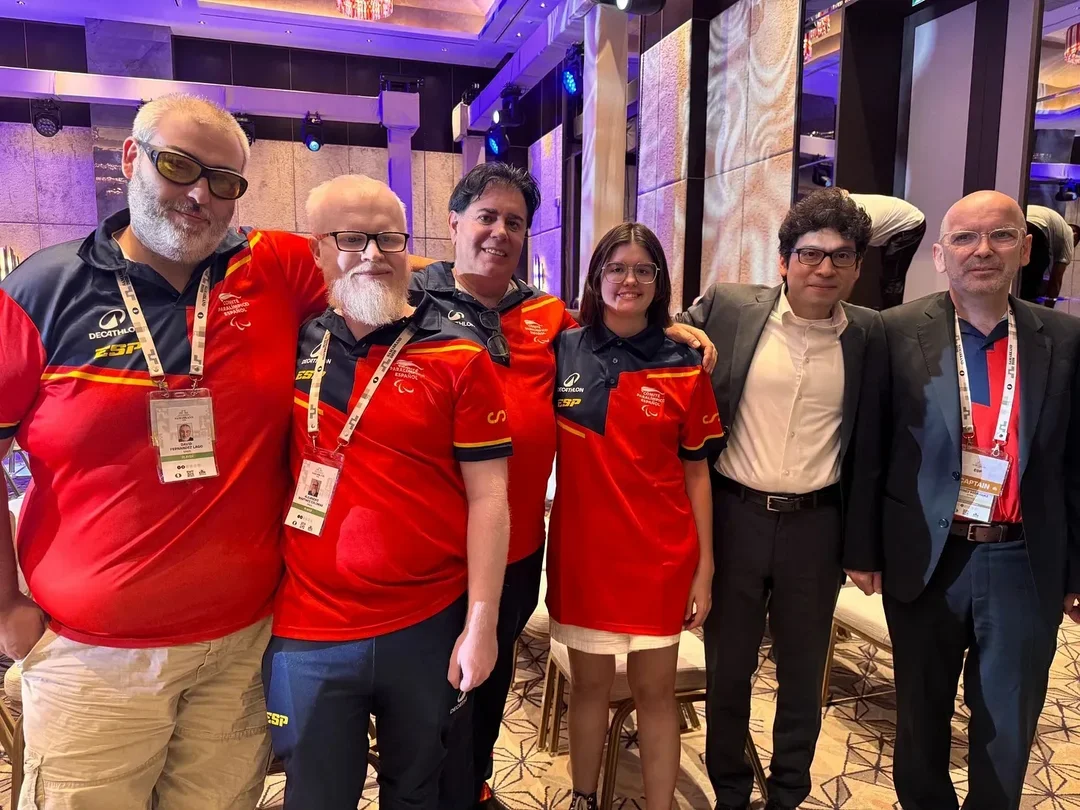
When their opponents also needed assistants, we sometimes had 13–14 people involved in a single match. This required me to carefully oversee communication and coordination between the players and assistants.
This was the most demanding match of the event. The Spanish players would make their moves on their boards, while their assistants would enter the moves on the DGT board, press the clock, and record the moves on the scoresheets. When the opponent made a move, they would call it out, or the assistant would announce the move and press the clock.
This process required mutual agreement, understanding, patience, and clear communication among everyone involved on each board.
The second round pitted Spain against Argentina, which immediately made me think of the 2026 FIFA World Cup Final at MetLife Stadium in East Rutherford, New Jersey.
I felt honored to be the Match Arbiter for this match. Both teams played their hearts out for their countries, and both captains were extremely passionate about supporting their players.
At one point, we had to make an adjustment and provide the Argentine player on Board 4 with an assistant. He was among the oldest players in the tournament and was having difficulty following the procedure we were using for players and assistants to call out moves and press the clock.
The match ended 3–1 in Argentina’s favor, although Spain came close to making it 2–2.
Spain cruised through Round 3 against Zimbabwe, although the match presented its own challenges when one of the Zimbabwean players could not continue the game because of a severe headache and had to forfeit. The final result was 3½–½ in favor of Spain.
In the remaining rounds, Spain lost to Croatia and Türkiye and drew against Uzbekistan 2 and IPCA (International Physically Disabled Chess Association).
The final game on Board 3 featured an excellent comeback victory by Spanish player Iraida Casadevall Mainau, who capitalized on her opponent’s careless blunder on move 48. The game can be viewed below:
It was a memorable way for Iraida to end the tournament after losing two of her previous three games.
The Closing Ceremony
The event concluded with Poland as champions, Cuba as runners-up, and Uzbekistan in third place.
The closing ceremony included awards for individual board winners and special awards, including those recognizing the youngest and oldest players, among others. There was also plenty of Uzbek music, singing, dancing, and cultural celebration.
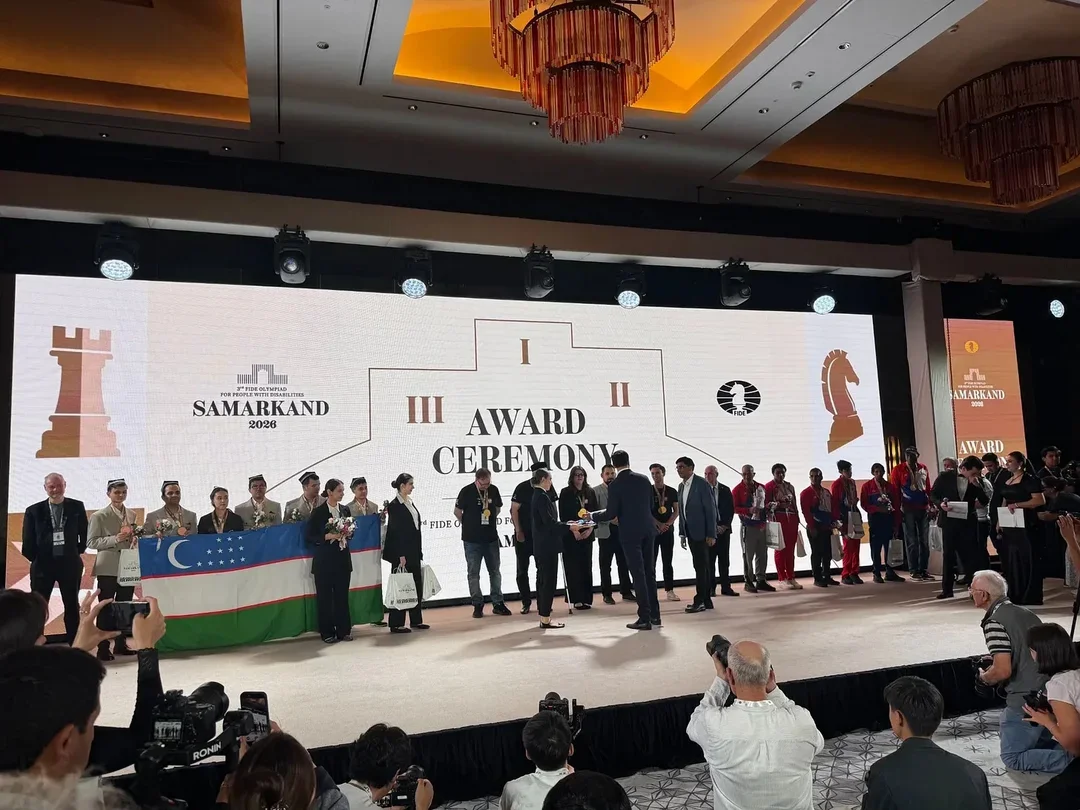
You can see the full broadcast coverage here and the day-to-day news coverage of the event here.
Congratulations to all 40 participating nations and to the winners!
A Rewarding Professional Experience
It was a pleasure and a rewarding professional experience to officiate the matches of the Spanish national team. The close supervision, attention to detail, and ability to make quick adjustments strengthened my officiating skills and prepared me for the demands of an event of this magnitude.
In the evenings, I was fortunate to spend time with colleagues from around the world and visit the cultural and historical sites of Samarkand, including the Silk Road Complex, Registan Square, The Eternal City, Siyob Dehqon Bozori, Tilla-Kori Mosque, Bibi-Khanym Mosque, Makon Mall, and Alisher Navoi Central Park.
These experiences allowed me to become more familiar with the local life, culture, and people of Samarkand. They also gave me the opportunity to connect with my peers from Brazil, Algeria, Israel, Germany, Slovakia, Latvia, Czechia, Kazakhstan, and Mongolia, as well as the wonderful volunteers and assistants who greatly helped me with my matches and contributed significantly to the overall success of the event.
A Meaningful Lesson
The opportunity to be part of the 3rd FIDE Chess Olympiad for Players with Disabilities allowed me to meet talented organizers, arbiters, players, and wonderful people from Uzbekistan and around the world.
Because of this experience, I am a better arbiter, organizer, and human being.
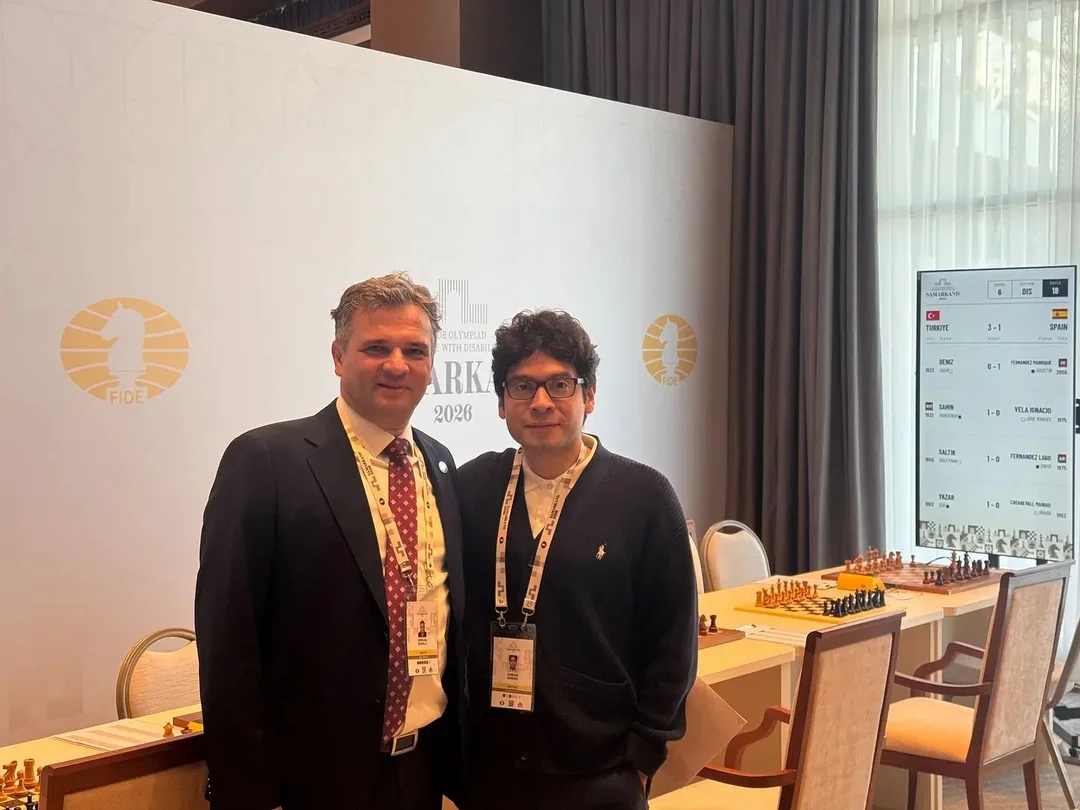
One of the biggest lessons I learned from this tournament is that you have to be human. You have to make the necessary accommodations and adjustments while maintaining the integrity of the FIDE Laws of Chess and the spirit of honorable competition.
What also became very clear once each round began was the players’ determination to play their best, compete fairly, and elevate the importance of this prestigious tournament.
The next Olympiad is scheduled for 2028 in Abu Dhabi, with potentially more than 60 nations participating. This is great for chess, for FIDE, and, most importantly, for players with disabilities. I hope to be a part of it and contribute to its continued success.
Thank You
I would also like to thank the Marshall Chess Club and Beatriz Marinello for encouraging and recommending me to serve as a Match Arbiter.
I would also like to thank FIDE Chair of the Players with Disabilities Commission Thomas Luther; Secretary Nikolaos Kalesis; Chief Arbiter Nebojsa Baralic; Deputy Arbiters Barbara Isabel López Chávez and Swapnil Bansod; and my Sector Arbiters Alon Shulman, Jamie Kenmure, and Najla Krifa.
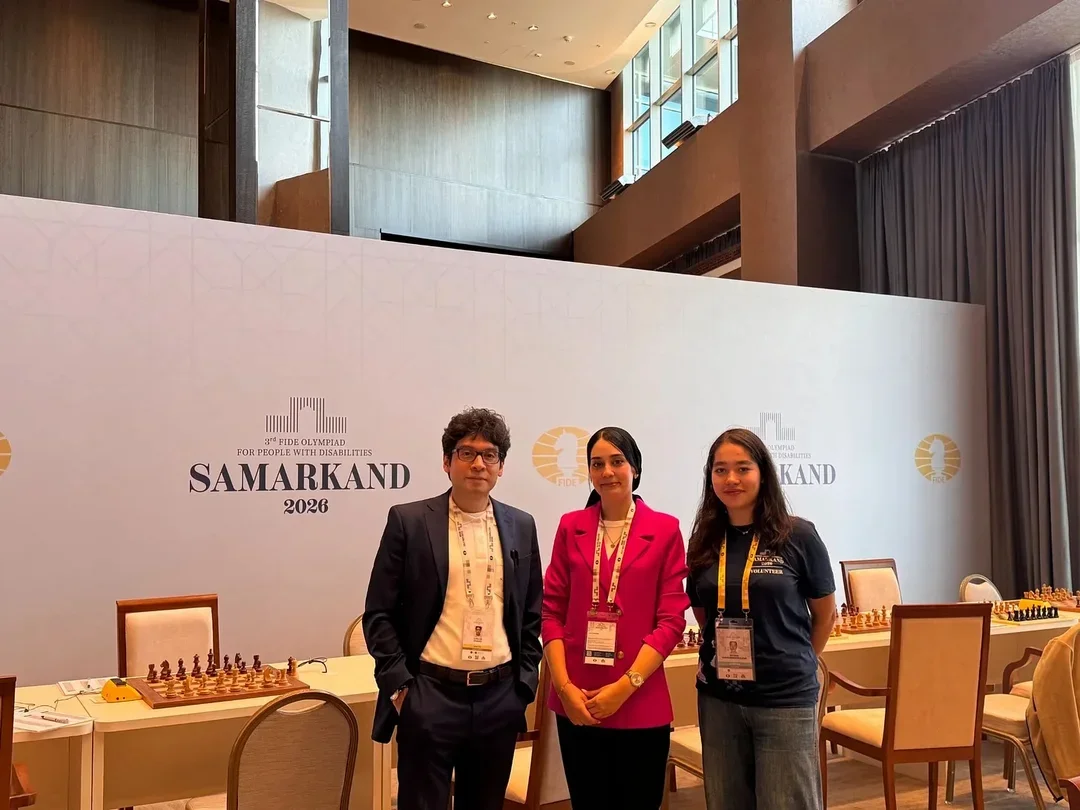
Yes, I had the opportunity to work with all three Sector Arbiters, and I learned something from each of their different styles of officiating.
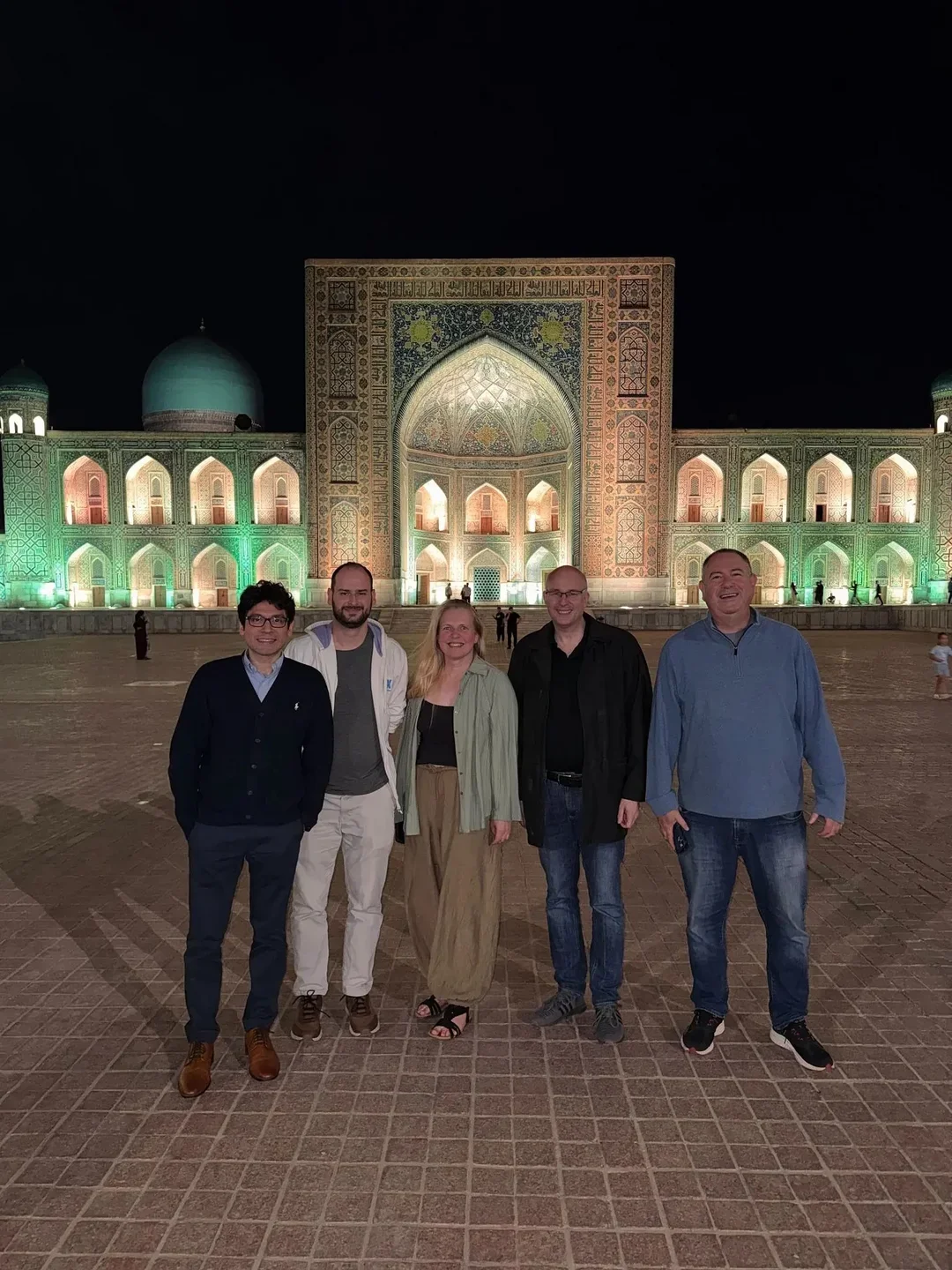
Finally, thank you to the wonderful volunteers, assistants, organizers, players, and people of Uzbekistan who made this experience so memorable.


Categories
Archives
- October 2026 (4)
- September 2026 (27)
- August 2026 (28)
- July 2026 (36)
- June 2026 (32)
- May 2026 (30)
- April 2026 (33)
- March 2026 (27)
- February 2026 (24)
- January 2026 (24)
- December 2025 (27)
- November 2025 (29)
- October 2025 (39)
- September 2025 (27)
- August 2025 (29)
- July 2025 (43)
- June 2025 (25)
- May 2025 (24)
- April 2025 (29)
- March 2025 (29)
- February 2025 (20)
- January 2025 (24)
- December 2024 (34)
- November 2024 (18)
- October 2024 (35)
- September 2024 (23)
- August 2024 (27)
- July 2024 (44)
- June 2024 (27)
- May 2024 (31)
- April 2024 (51)
- March 2024 (34)
- February 2024 (24)
- January 2024 (26)
- December 2023 (29)
- November 2023 (26)
- October 2023 (37)
- September 2023 (27)
- August 2023 (37)
- July 2023 (47)
- June 2023 (33)
- May 2023 (37)
- April 2023 (45)
- March 2023 (37)
- February 2023 (28)
- January 2023 (31)
- December 2022 (23)
- November 2022 (32)
- October 2022 (31)
- September 2022 (19)
- August 2022 (39)
- July 2022 (32)
- June 2022 (35)
- May 2022 (21)
- April 2022 (31)
- March 2022 (33)
- February 2022 (21)
- January 2022 (27)
- December 2021 (36)
- November 2021 (34)
- October 2021 (25)
- September 2021 (25)
- August 2021 (41)
- July 2021 (36)
- June 2021 (29)
- May 2021 (29)
- April 2021 (31)
- March 2021 (33)
- February 2021 (28)
- January 2021 (29)
- December 2020 (38)
- November 2020 (40)
- October 2020 (41)
- September 2020 (35)
- August 2020 (38)
- July 2020 (36)
- June 2020 (46)
- May 2020 (42)
- April 2020 (37)
- March 2020 (60)
- February 2020 (38)
- January 2020 (45)
- December 2019 (34)
- November 2019 (35)
- October 2019 (42)
- September 2019 (45)
- August 2019 (56)
- July 2019 (44)
- June 2019 (35)
- May 2019 (40)
- April 2019 (48)
- March 2019 (61)
- February 2019 (39)
- January 2019 (30)
- December 2018 (29)
- November 2018 (51)
- October 2018 (45)
- September 2018 (29)
- August 2018 (49)
- July 2018 (35)
- June 2018 (31)
- May 2018 (39)
- April 2018 (31)
- March 2018 (26)
- February 2018 (33)
- January 2018 (30)
- December 2017 (26)
- November 2017 (24)
- October 2017 (30)
- September 2017 (30)
- August 2017 (32)
- July 2017 (27)
- June 2017 (32)
- May 2017 (26)
- April 2017 (37)
- March 2017 (28)
- February 2017 (30)
- January 2017 (27)
- December 2016 (29)
- November 2016 (24)
- October 2016 (32)
- September 2016 (31)
- August 2016 (27)
- July 2016 (24)
- June 2016 (26)
- May 2016 (19)
- April 2016 (30)
- March 2016 (37)
- February 2016 (27)
- January 2016 (33)
- December 2015 (25)
- November 2015 (23)
- October 2015 (16)
- September 2015 (28)
- August 2015 (28)
- July 2015 (6)
- June 2015 (1)
- May 2015 (2)
- April 2015 (1)
- February 2015 (3)
- January 2015 (1)
- December 2014 (1)
- July 2010 (1)
- October 1991 (1)
- August 1989 (1)
- January 1988 (1)
- December 1983 (1)