


Both American teams currently boast 6/6 scores after three rounds of the 11-round 46th FIDE Chess Olympiad. Of the 205 teams competing in the Open, just 21 remain unblemished.
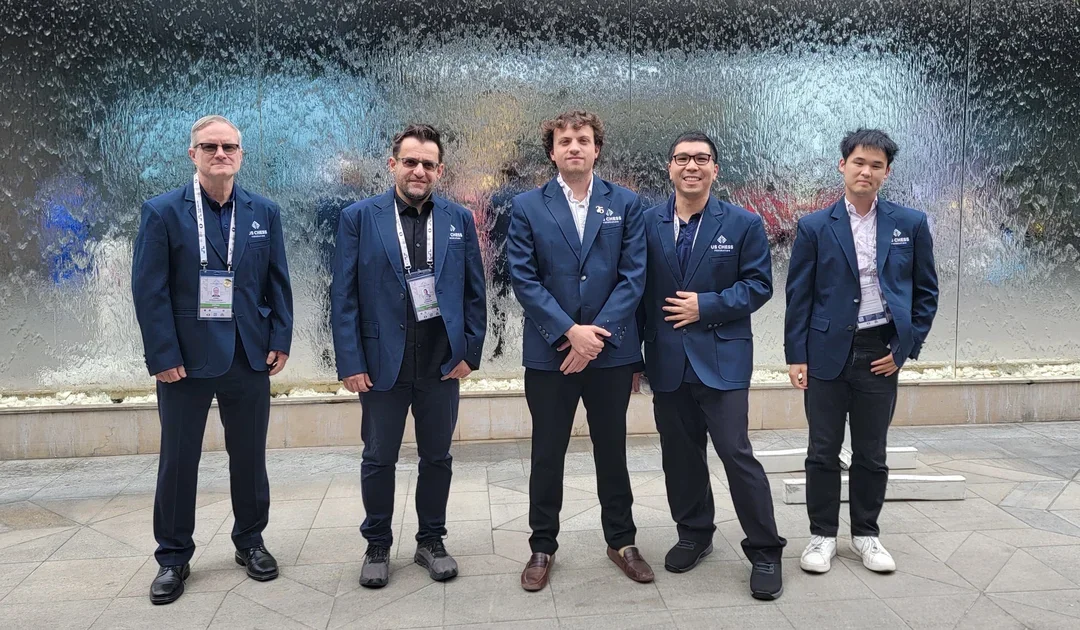
In the women’s event, 20 out of the 186 teams in the women’s event have still yet to concede a match point. Moreover, with 11 wins and only one draw out of 12 games, the Women’s team boasts the best tiebreaks in the field so far.

Today’s report covers the first two rounds, featuring detailed analysis from WGM Sabina Foisor, and Sunday’s report will focus on Rounds 3 and 4 (with analysis by FM Andy Lee).
Round 4 begins Saturday morning at 5 a.m. CDT, so don’t stay out too late tonight!
Open: USA Defeats Iraq, Survives Mongolia
Team USA got off to a strong start with a 3½–½ win against Iraq on Wednesday. CM Ali Ehsan Aryan (2163) became the latest non-GM to join in on the tradition of pushing GM Levon Aronian to his limits in Round 1, holding Aronian to a draw.
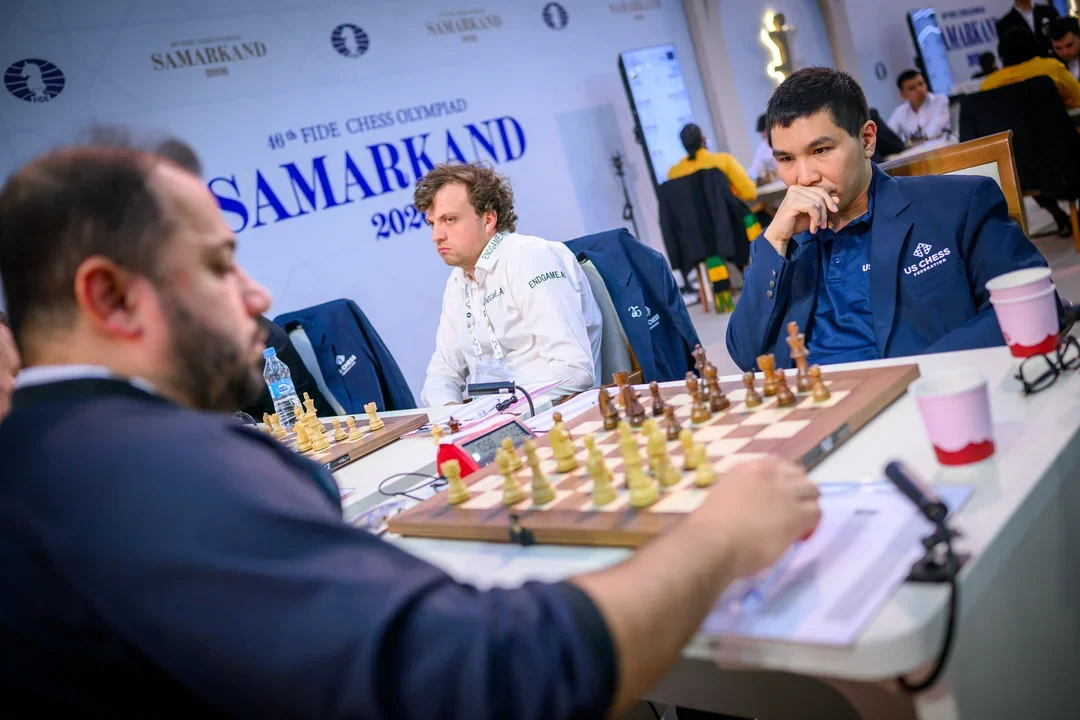

With GM Fabiano Caruana sitting out, GM Wesley So won a clean game on the top board as Olympiad newcomers GMs Hans Niemann and Awonder Liang each notched their first career Olympiad victories in convincing fashion:
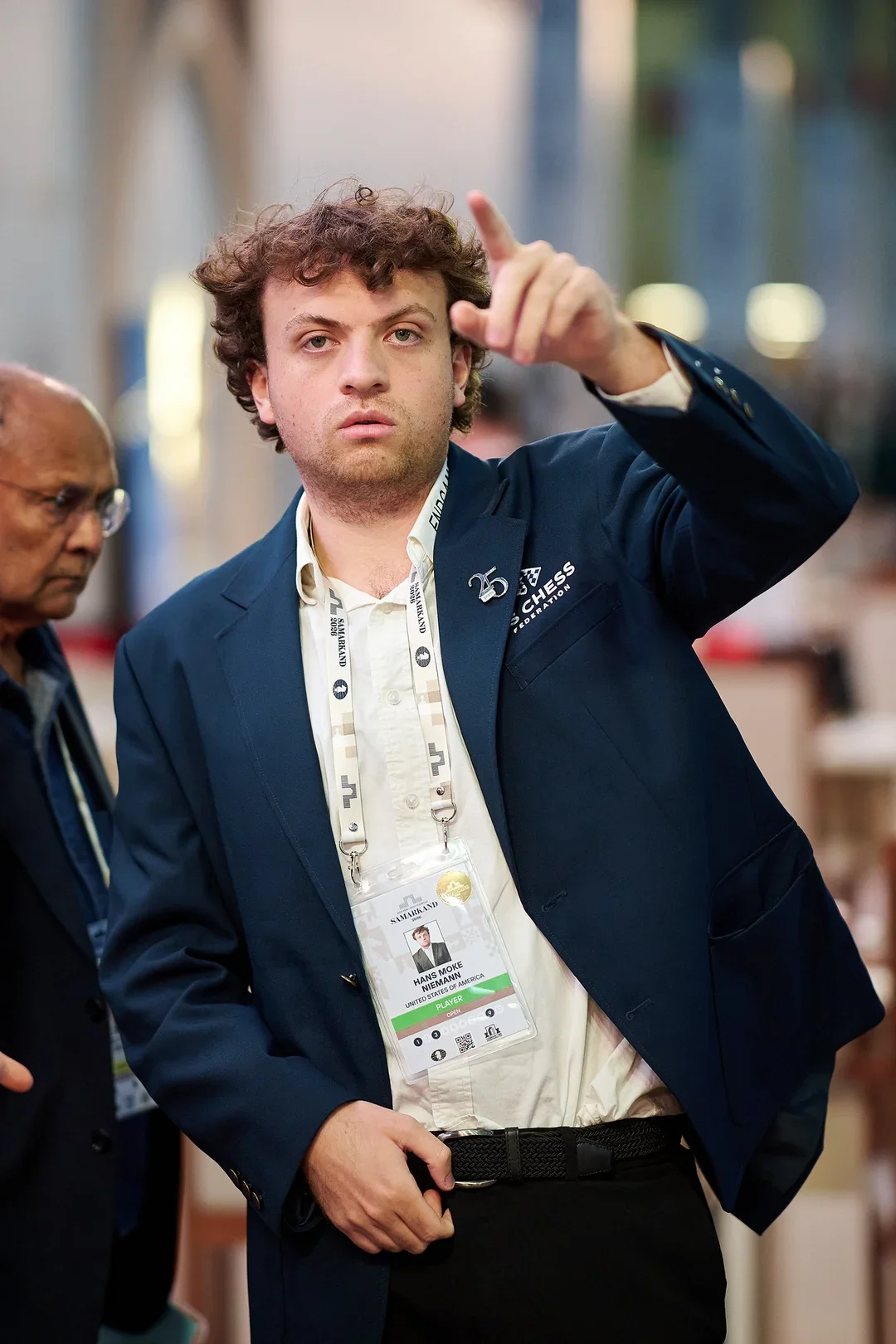

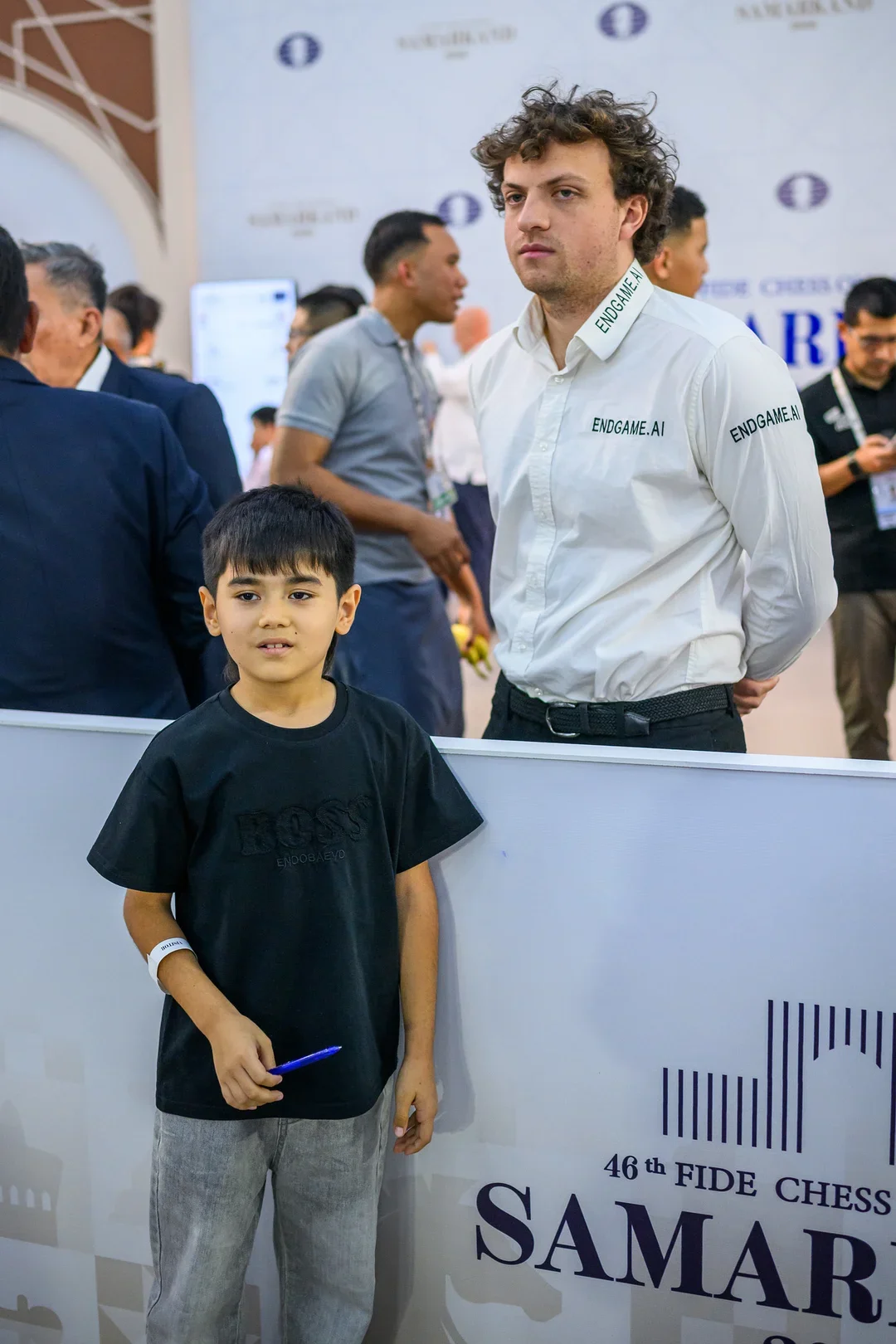
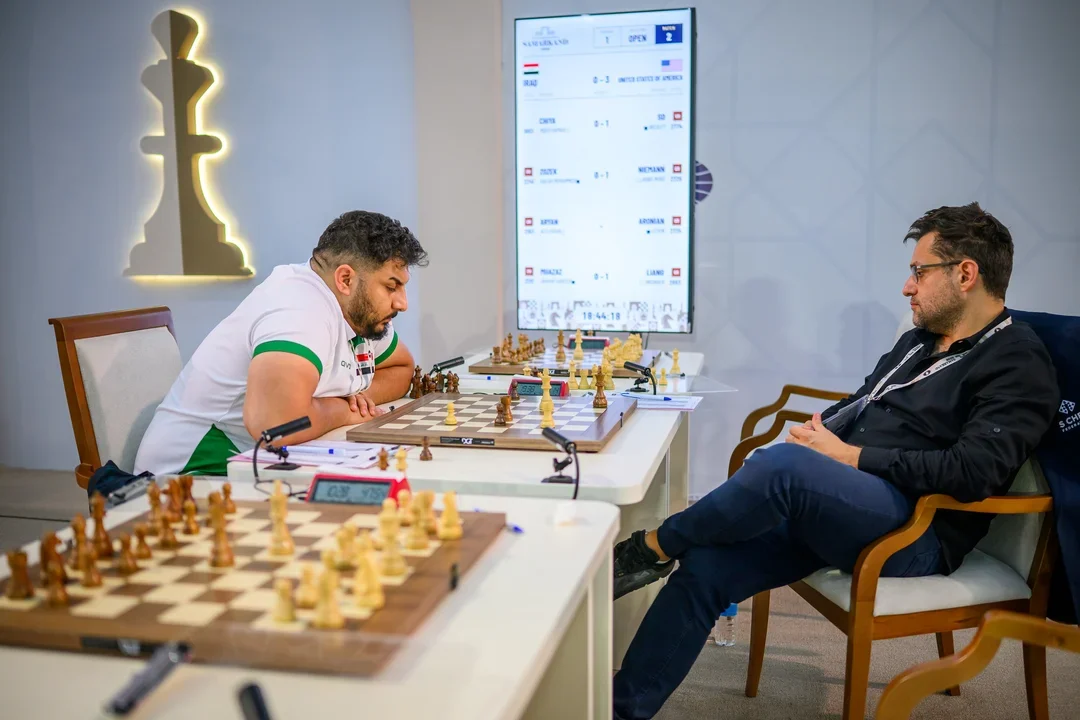

In Round 2, USA faced a dangerously underrated Mongolian team that offered considerable resistance. The Americans won 2½–1½ in a match with three decisive results. With So sitting out, Niemann was unable to create any chances against IM Munkhdalai Amilal.
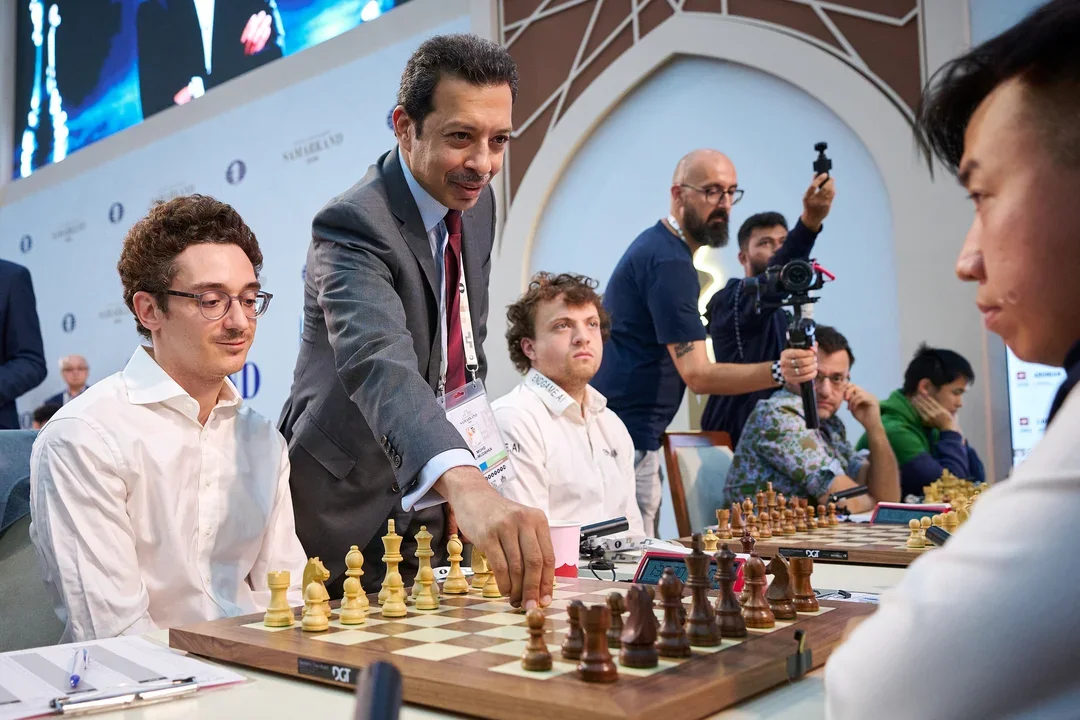
But in his first game for this year's team, Caruana delivered a fine victory to put his team out in front:
In these early rounds, a common strategy is to be willing to settle for draws on the top boards and rely on the lower boards to outclass their opponents. This puts more pressure on players like Liang to fight for a win as Black, which explains his risky opening choice. Mongolia’s Board 4, IM Khuyagtsogt Itgelt, was up to the challenge and, after just one inaccuracy, brought Mongolia back into the match.
On Board 3, Aronian looked to be en route to the fastest win of the match after his opponent blundered a piece early. But from there, IM Ganzorig Amartuvshin did everything in his power to make Aronian’s life difficult!
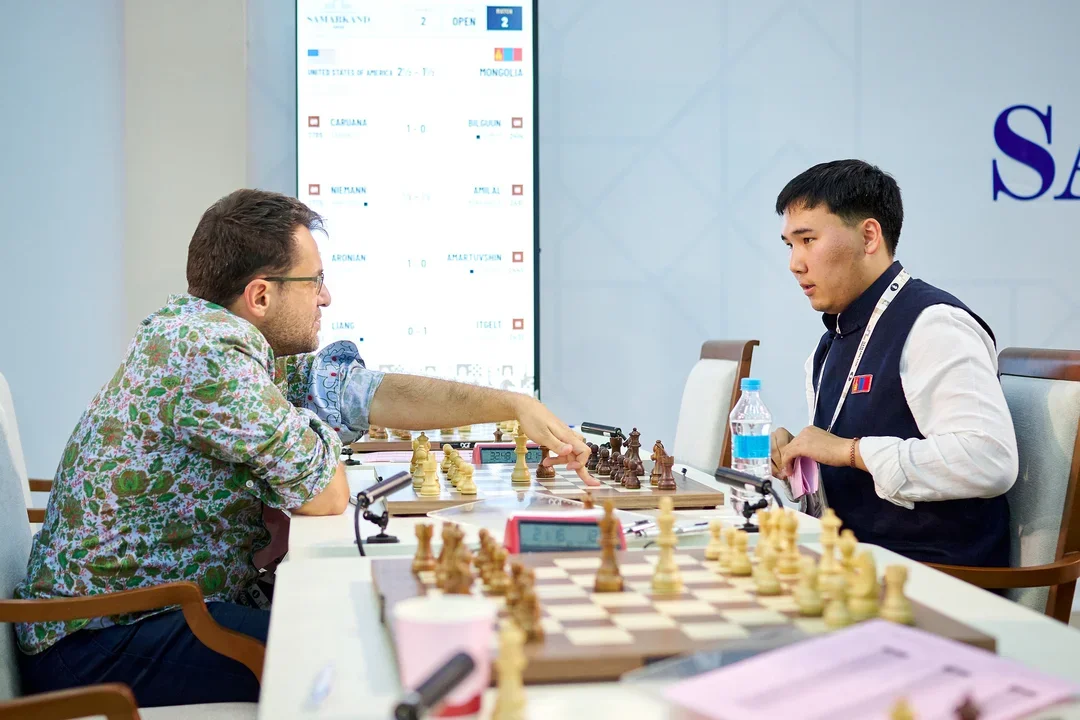
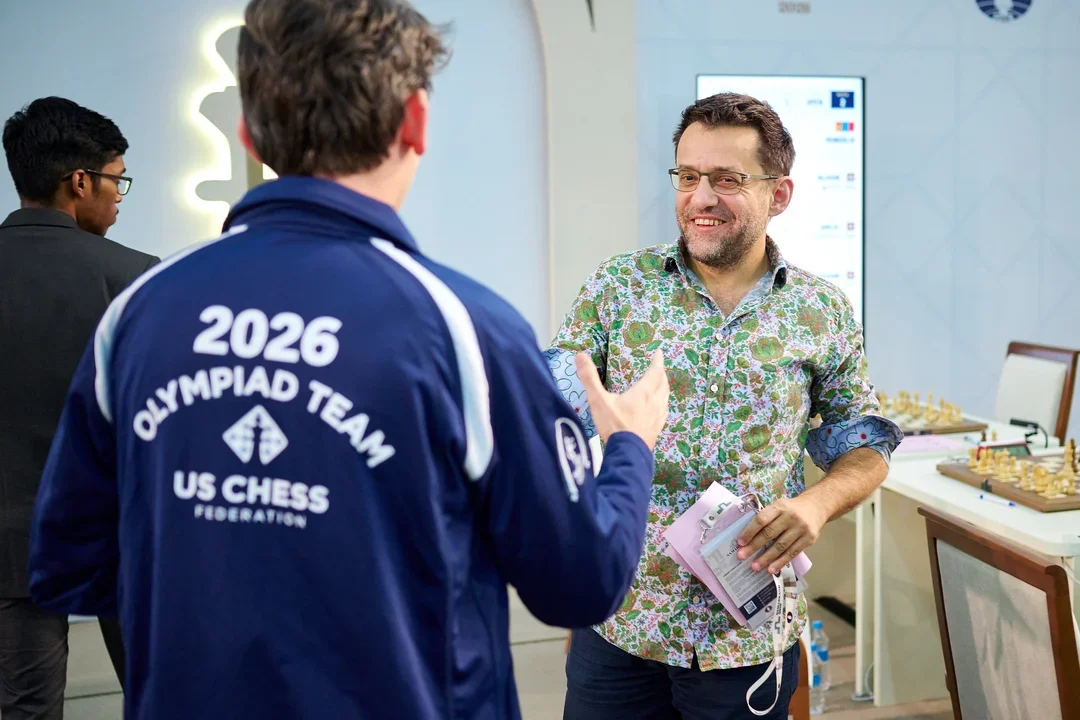
With Aronian showing excellent composure to finally convert his extra piece, USA clinched the match 2½–1½ to reach a 4/4 tournament score.
The top 28 teams reached a 4/4 score after Thursday, with Georgia’s 2–2 tie against Kyrgzystan making them the highest-seeded team to concede a match point. But, as we’ve already seen, that’s not to say that the matches have all been lopsided. In fact, we’ve already seen a number of individual upsets.
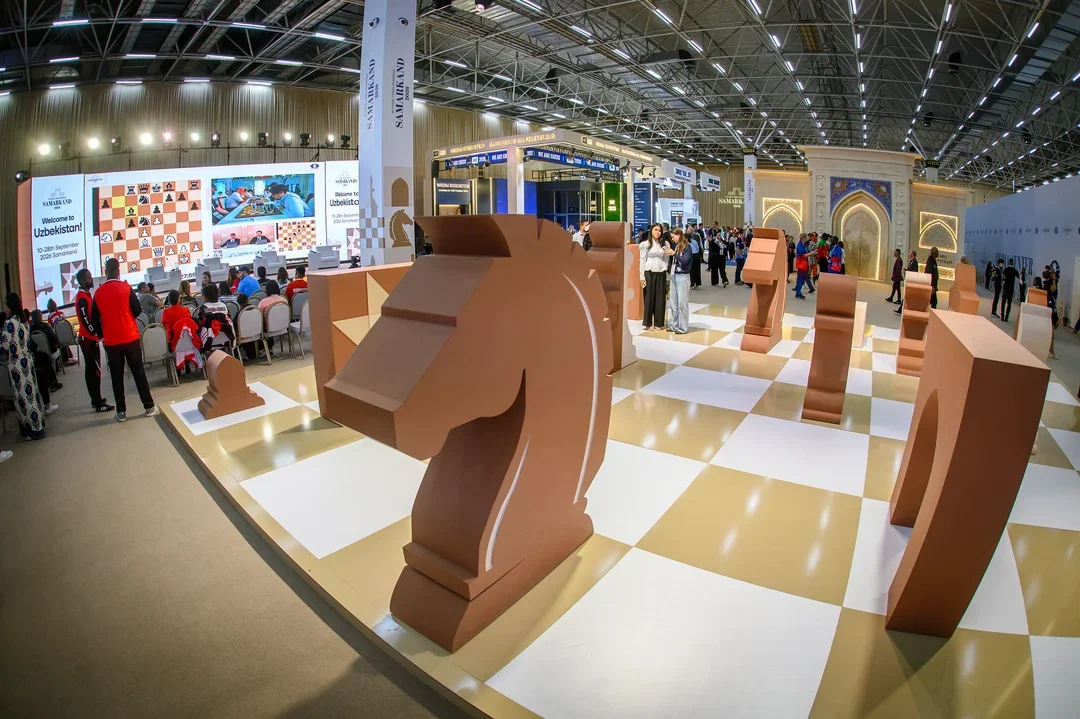
In Round 1, India started their title defense with a 3–1 over Indonesia that saw GM Arjuan Erigaisi lose on Board 1 to Thailand’s IM Prin Laohawirapap in a 396-point upset!
Everybody wants to play their best against the defending champion, and again India faced stiff opposition in Round 2, this time from Indonesia. With the other three boards ending peacefully, IM Arif Abdul Hafiz had serious chances to tie the match against GM Nihal Sarin on Board 2:
The super-strong Chinese team also got battle tested Thursday against Chile, with GM Rodrigo Vasquez Schroeder holding the former World Champion to a draw on Board 1.
Finally, it wouldn’t be a WGM Sabina Foisor production without at least one instructive endgame. This one is courtesy of Dutch GM Anish Giri:
Women: Eight Wins in Two Days
The women’s team is off to a dream start with consecutive 4–0 victories over Andorra and Belgium, respectively.
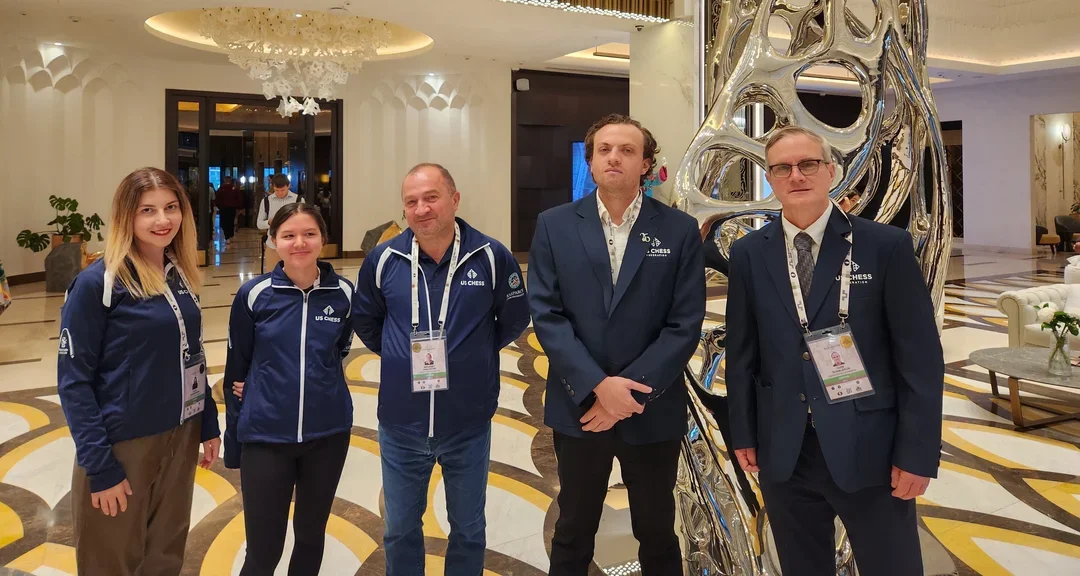
On Wednesday, IM Rose Atwell won her Olympiad debut as Black in fine style. Her opponent chose a drawish line against Atwell’s French Defense, but Atwell’s experience and composure helped her carve out an advantageous without taking any extraneous risks.

On Board 3, IM Tatev Abrahamyan won the longest game of the Andorra match after her opponent, Ariadna De la Riva Real, displayed remarkable resilience deep into a very instructive and tricky minor piece endgame.
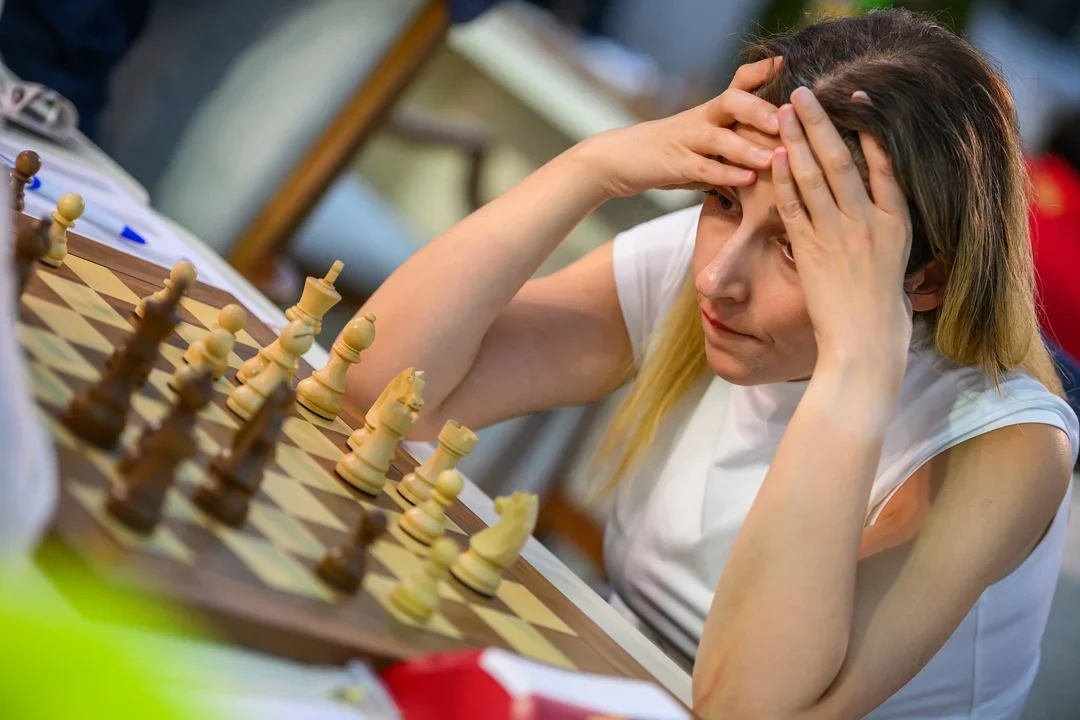
On Thursday, Abrahamyan took a well-deserved breather and IM Carissa Yip — in her debut as USA’s Board 1 — joined the festivities with a nice attacking win. On Board 2, IM Alice Lee followed suit, generating a swift and ferocious attack after just one inaccuracy from her opponent.
In Round 2, second-seeded Georgia conceded a 2–2 tie to Montenegro despite outrating their opponents by over 300 points on each of the bottom three boards. Wins by WFM Alena Skvortsa and WIM Aleksandra Milovic on the two middle boards cemented the biggest upset of this year’s Olympiad so far:
Georgia entered this year’s competition as a popular pick to stop the top-seeded Indian team from repeating its 2024 gold medal performance, and, in an 11-round tournament, one tie is obviously not the end of the world. But an early setback can impact a team’s tiebreaks and also create more must-win situations later in the event.
Speaking of India, the defending champions conceded only one draw over the course of the first two rounds (courtesy of Finland’s WIM Anastasia Keinanen against GM Vaishali Rameshbabu).
A skill of winning these early matches is being able to take what the position gives you. Take IM Vantika Agrawal, who has played as Board 3 in both of India’s matches so far. On Wednesday, she was unable to secure much of an advantage against her opponent from the Dominican Republic. So, she settled for creating an imbalanced position where it was easy to go wrong by playing principled-seeming moves:
The next day, her Finnish opponent didn’t make any obvious mistakes in the opening, but slightly slow play in a sharp Sicilian gave Vantika a chance to take over the game and she didn’t blink:
Everybody wants to win games the way Vantika won her second game. But being able to retain composure and create chances like she did in her first game is what separates good players from gold medalists.
Quick Links
- 46th FIDE Olympiad: Official Website
- 3rd FIDE Olympiad for People with Disabilities: Official Website
- 46th FIDE Olympiad Games: Lichess | Chess.com
- 3rd FIDE Olympiad for People with Disabilities Games: Lichess | Chess.com
- More photos: FIDE Flickr


Categories
Archives
- September 2026 (16)
- August 2026 (28)
- July 2026 (36)
- June 2026 (32)
- May 2026 (30)
- April 2026 (33)
- March 2026 (27)
- February 2026 (24)
- January 2026 (24)
- December 2025 (27)
- November 2025 (29)
- October 2025 (39)
- September 2025 (27)
- August 2025 (29)
- July 2025 (43)
- June 2025 (25)
- May 2025 (24)
- April 2025 (29)
- March 2025 (29)
- February 2025 (20)
- January 2025 (24)
- December 2024 (34)
- November 2024 (18)
- October 2024 (35)
- September 2024 (23)
- August 2024 (27)
- July 2024 (44)
- June 2024 (27)
- May 2024 (31)
- April 2024 (51)
- March 2024 (34)
- February 2024 (24)
- January 2024 (26)
- December 2023 (29)
- November 2023 (26)
- October 2023 (37)
- September 2023 (27)
- August 2023 (37)
- July 2023 (47)
- June 2023 (33)
- May 2023 (37)
- April 2023 (45)
- March 2023 (37)
- February 2023 (28)
- January 2023 (31)
- December 2022 (23)
- November 2022 (32)
- October 2022 (31)
- September 2022 (19)
- August 2022 (39)
- July 2022 (32)
- June 2022 (35)
- May 2022 (21)
- April 2022 (31)
- March 2022 (33)
- February 2022 (21)
- January 2022 (27)
- December 2021 (36)
- November 2021 (34)
- October 2021 (25)
- September 2021 (25)
- August 2021 (41)
- July 2021 (36)
- June 2021 (29)
- May 2021 (29)
- April 2021 (31)
- March 2021 (33)
- February 2021 (28)
- January 2021 (29)
- December 2020 (38)
- November 2020 (40)
- October 2020 (41)
- September 2020 (35)
- August 2020 (38)
- July 2020 (36)
- June 2020 (46)
- May 2020 (42)
- April 2020 (37)
- March 2020 (60)
- February 2020 (38)
- January 2020 (45)
- December 2019 (34)
- November 2019 (35)
- October 2019 (42)
- September 2019 (45)
- August 2019 (56)
- July 2019 (44)
- June 2019 (35)
- May 2019 (40)
- April 2019 (48)
- March 2019 (61)
- February 2019 (39)
- January 2019 (30)
- December 2018 (29)
- November 2018 (51)
- October 2018 (45)
- September 2018 (29)
- August 2018 (49)
- July 2018 (35)
- June 2018 (31)
- May 2018 (39)
- April 2018 (31)
- March 2018 (26)
- February 2018 (33)
- January 2018 (30)
- December 2017 (26)
- November 2017 (24)
- October 2017 (30)
- September 2017 (30)
- August 2017 (32)
- July 2017 (27)
- June 2017 (32)
- May 2017 (26)
- April 2017 (37)
- March 2017 (28)
- February 2017 (30)
- January 2017 (27)
- December 2016 (29)
- November 2016 (24)
- October 2016 (32)
- September 2016 (31)
- August 2016 (27)
- July 2016 (24)
- June 2016 (26)
- May 2016 (19)
- April 2016 (30)
- March 2016 (37)
- February 2016 (27)
- January 2016 (33)
- December 2015 (25)
- November 2015 (23)
- October 2015 (16)
- September 2015 (28)
- August 2015 (28)
- July 2015 (6)
- June 2015 (1)
- May 2015 (2)
- April 2015 (1)
- February 2015 (3)
- January 2015 (1)
- December 2014 (1)
- July 2010 (1)
- October 1991 (1)
- August 1989 (1)
- January 1988 (1)
- December 1983 (1)